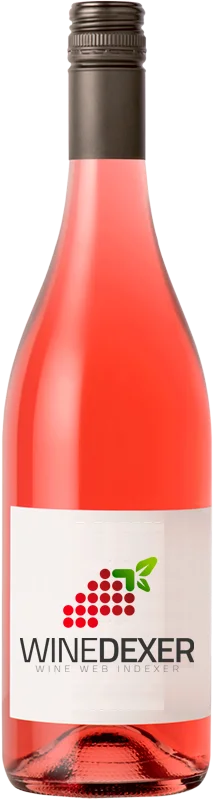
Winery Vina ČukMerlot Rosé
 Pink wine


This wine generally goes well with beef and game (deer, venison).

Food and wine pairings with Merlot Rosé
Pairings that work perfectly with Merlot Rosé


Original food and wine pairings with Merlot Rosé
The Merlot Rosé of Winery Vina Čuk matches generally quite well with dishes of beef or game (deer, venison) such as recipes of oxtail confit in red wine or duck parmentier.
Discover the grape variety: Merlot
Round and fleshy reds with a velvety texture, showing aromas of ripe plum, black cherry, cocoa and truffle notes with age. Supple tannins, generous alcohol, indulgent finish. Pillar of Libournais (Pomerol with Pétrus, Saint-Émilion with Cheval Blanc and Ausone) and signature of Super Tuscans, Italian Wales and Washington State. A cross of Cabernet Franc × Magdeleine Noire, France's most planted red variety.
Last vintages of this wine
The best vintages of Merlot Rosé from Winery Vina Čuk are 2018, 0
Informations about the Winery Vina Čuk
The Winery Vina Čuk is one of of the world's greatest estates. It offers 11 wines for sale in the of Vipava to come and discover on site or to buy online.

The wine region of Vipava
Western Slovenian valley between Julian Alps and Adriatic, mild climate and marl soils (>2,300 ha). Mostly elegant whites with persistent bouquet. Signature Rebula (Ribolla Gialla) with notes of pear, citrus, white flowers, fresh almond and a saline mineral touch, taut palate. Also lively Sauvignon Blanc, ample Chardonnay, floral Malvasia.
The wine region of Primorje
Coastal region of western Slovenia, the country's most qualitative, bordering Italy. Signature elegant whites and orange wines. Star Rebula (Ribolla Gialla) with signature notes of pear, citrus, white flowers, fresh almond and a mineral touch, taut and long palate — often in long maceration (orange) with dried fruits and black tea notes. Native Refošk as dense, lively red (black cherry, iron).
The word of the wine: Courgée
Name of the fruiting branch left after pruning and which is then arched along the trellis in the Jura (in the Mâconnais, it is called the tail).