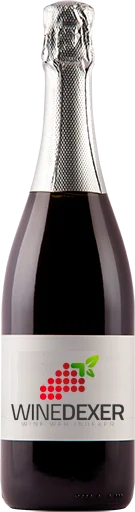
Winery Viña ArpetosSparkling White
 Sparkling wine
In the mouth this sparkling wine is a with fine and regular bubbles.
This wine generally goes well with appetizers and snacks, lean fish or shellfish.

Taste structure of the Sparkling White from the Winery Viña Arpetos
Light | Bold | |
Soft | Acidic | |
Gentle | Fizzy |
In the mouth the Sparkling White of Winery Viña Arpetos in the region of Castille is a with fine and regular bubbles.
Food and wine pairings with Sparkling White
Pairings that work perfectly with Sparkling White



Original food and wine pairings with Sparkling White

The Sparkling White of Winery Viña Arpetos matches generally quite well with dishes of shellfish, appetizers and snacks or lean fish such as recipes of american style lobster tails, great chef style, seaweed tartar or fish blaff (west indies).
Details and technical informations about Winery Viña Arpetos's Sparkling White.
Discover the grape variety: Cornalin d'Aoste
Deep, structured reds with a dark, intense ruby color, firm tannins and a dense palate, offering intense aromas of black fruits (blackberry, blackcurrant), black cherry, spices, pepper, alpine and balsamic notes. Fine cellaring potential; mountain wines from altitude. Star of Valle d'Aosta DOC, grown on sun-drenched terraces between Aymavilles and Chambave. Italian indigenous variety of the Aosta Valley, distinct from Valais cornalin (rouge du pays).
Informations about the Winery Viña Arpetos
The Winery Viña Arpetos is one of of the world's greatest estates. It offers 11 wines for sale in the of Castille to come and discover on site or to buy online.

The wine region of Castille
Cradle of great Castilian reds, high-altitude plateaus (450-1000 m) along the Duero. Tempranillo king (aka Tinta de Toro, Tinto Fino): powerful, concentrated, structured reds with notes of black cherry, plum, leather, tobacco and spice, firm tannins from altitude and cool nights. Stars: Ribera del Duero (Vega Sicilia, Pingus), fleshy Toro, Bierzo (floral, mineral Mencía). Lively, herbaceous Verdejo whites from Rueda.
The word of the wine: Malolactic fermentation
Called second fermentation or malo for short. It is the degradation (under the effect of bacteria) of the malic acid naturally present in the wine into milder, less aggressive lactic acid. Some producers or wineries refuse this operation by "blocking the malo" (by cold and adding SO2) to keep a maximum of acidity which carries the aromas and accentuates the sensation of freshness.