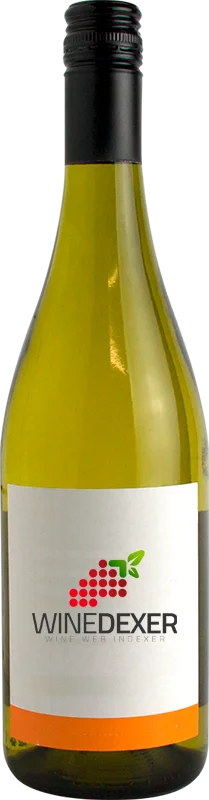
Winery VilleboisLoupart Muscadet
 White wine
This wine generally goes well with appetizers and snacks, lean fish or shellfish.

Food and wine pairings with Loupart Muscadet
Pairings that work perfectly with Loupart Muscadet



Original food and wine pairings with Loupart Muscadet

The Loupart Muscadet of Winery Villebois matches generally quite well with dishes of shellfish, appetizers and snacks or lean fish such as recipes of chicken with scampi for christmas, baked vegetable chips or very simple fish with fresh pasta.
Details and technical informations about Winery Villebois's Loupart Muscadet.
Discover the grape variety: Vitovska
Structured, mineral dry whites with a pale golden colour, a full palate and sharp acidity, showing signature aromas of almond, white flowers, white-fleshed fruits (pear), citrus and saline mineral notes. Also made as structured orange wines with tannins and dried fruits. Star of the Carso Vitovska DOC appellation, a typical expression of the karst terroirs of the upper Adriatic. Native white variety of Italy and Slovenia from the Carso/Kras region.
Informations about the Winery Villebois
The Winery Villebois is one of of the world's great estates. It offers 29 wines for sale in the of Muscadet to come and discover on site or to buy online.

The wine region of Muscadet
100% Melon de Bourgogne south of Nantes in Pays Nantais: dry and lively whites with pale gold robe and green reflections, nose with mineral flint notes fading toward citrus, green apple, pear and white flowers. Dry and full-bodied palate with mineral and saline finish. Schist, gneiss and micaschist soils downstream of Loire-Atlantique, mild oceanic climate. Ideal companion to oysters and seafood.
The wine region of Loire Valley
Kingdom of lively, dry whites and fine sparklers. Mineral, taut Sauvignon Blanc (Sancerre, Pouilly-Fumé) with citrus and gunflint notes. Multiform Chenin Blanc (Vouvray, Savennières, Layon): straight dry, floral off-dry or noble sweet honey-quince. Saline, iodised Muscadet (Melon B.
The word of the wine: Brut nature (or ultra brut)
A type of champagne that has not received any dosage liqueur.