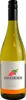
Winery VillasetaFriulano Collio
 wine
wine
This wine generally goes well with
The Friulano Collio of the Winery Villaseta is in the top 0 of wines of Collio.
Details and technical informations about Winery Villaseta's Friulano Collio.
Discover the grape variety: Chatus
Chatus noir is a grape variety that originated in France (Cévennes). It produces a variety of grape specially used for wine making. It is rare to find this grape to eat on our tables. This variety of grape is characterized by medium-sized bunches and small grapes. Chatus noir can be found in several vineyards: South-West, Cognac, Bordeaux, Loire Valley, Provence & Corsica, Rhone Valley, Savoie & Bugey, Beaujolais, Languedoc & Roussillon.
Informations about the Winery Villaseta
The Winery Villaseta is one of of the world's greatest estates. It offers 7 wines for sale in the of Collio to come and discover on site or to buy online.

The wine region of Collio
The wine region of Collio is located in the region of Frioul-Vénétie Julienne of Italy. Wineries and vineyards like the Domaine Villa Russiz or the Domaine Venica & Venica produce mainly wines white, red and sparkling. The most planted grape varieties in the region of Collio are Ribolla gialla, Chardonnay and Merlot, they are then used in wines in blends or as a single variety. On the nose of Collio often reveals types of flavors of tropical fruit, melon or white peach and sometimes also flavors of lemon, coconut or lime.
The wine region of Friuli-Venezia Giulia
Friuli-Venezia Giulia is an autonomous region in Italy, located in the extreme Northeast of the country, bordered by Austria and Slovenia to the north and east respectively. The eponymous wine region has four DOCGs, twelve DOCs and three PGIs and is best known for its white wine production. 77% of the region's wines are white, one of the highest proportions of any Italian region. The region's wines are distinctly different from other Italian wines in that they are made from non-traditional Grape varieties such as Sauvignon blanc, Riesling and Pinot blanc, as well as typically Italian varieties such as pinot gris and picolit.
The word of the wine: Full
A full, complete and harmonious wine, offering a great wealth of flavours.