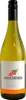
Winery Villa SparinaLa Villa Gavi di Gavi
 Red wine



This wine is composed of 100% of the grape variety Cortese.
This wine generally goes well with

Wine flavors and olphactive analysis

Discover the grape variety: Cortese
Lively, structured whites with firm acidity and a slender mouth, featuring aromas of citrus (lemon, grapefruit), green apple, white flowers, fresh almond and chalky mineral notes. Typically saline finish. The absolute star of Gavi DOCG (Cortese di Gavi), one of Italy's great whites, also made as sparkling wines and aged cuvées. Present in Colli Tortonesi DOC and Lombardy. Native Piedmontese grape from the southeast, with a long tradition of noble whites.
Last vintages of this wine
The best vintages of La Villa Gavi di Gavi from Winery Villa Sparina are 0
Informations about the Winery Villa Sparina
The Winery Villa Sparina is one of of the world's great estates. It offers 19 wines for sale in the of Gavi to come and discover on site or to buy online.

The wine region of Gavi
Piedmontese DOCG in the southeast, kingdom of native Cortese as sole varietal (100%). Lively, precise whites with signature citrus (lemon, grapefruit), green apple, white flowers, fresh almond and a saline mineral touch, taut and thirst-quenching palate — signature elegance. Gourmand still version, perlant frizzante and effervescent spumante with surprising potential. Marl-limestone soils across 11 villages (~984 ha).
The wine region of Piedmont
Kingdom of Nebbiolo: Barolo and Barbaresco DOCG, long-ageing reds with firm tannins and lively acidity, complex aromas of withered rose, sour cherry, tar, truffle and undergrowth. More accessible, tangy Barbera on red fruit, supple, crisp Dolcetto. Sweet, floral sparkling Moscato d'Asti, mineral, lemony Gavi (Cortese) white, round, almondy Arneis from Roero. 50,000 ha across the Langhe, Roero and Monferrato, UNESCO.
The word of the wine: Hygrometry
Humidity level of the cellar necessary for a good ageing of the wines. The recommended hygrometry is around 70% in order to guarantee a good elasticity of the corks while preserving the labels.