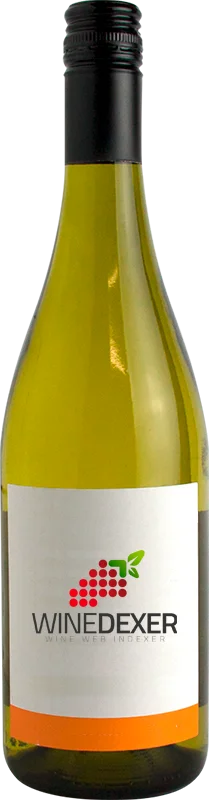
Winery Villa ReginaFalanghina Campania
 White wine
In the mouth this white wine is a powerful.
This wine generally goes well with vegetarian, appetizers and snacks or shellfish.
Taste structure of the Falanghina Campania from the Winery Villa Regina
Light | Bold | |
Dry | Sweet | |
Soft | Acidic |
In the mouth the Falanghina Campania of Winery Villa Regina in the region of Campania is a powerful.
Food and wine pairings with Falanghina Campania
Pairings that work perfectly with Falanghina Campania



Original food and wine pairings with Falanghina Campania
The Falanghina Campania of Winery Villa Regina matches generally quite well with dishes of shellfish, vegetarian or appetizers and snacks such as recipes of sea sauerkraut with white wine, cream and tuna quiche or tuna samoussa.
Details and technical informations about Winery Villa Regina's Falanghina Campania.
Discover the grape variety: Voskeat (e)
Armenia, where it is grown both as a table grape and as a wine grape - Synonyms: voskehat, voskath, khardji, xardji (for all the synonyms of the grape varieties, click here!)
Informations about the Winery Villa Regina
The Winery Villa Regina is one of of the world's great estates. It offers 18 wines for sale in the of Campania to come and discover on site or to buy online.

The wine region of Campania
Campania is a region that forms the "tibia" of the boot of Italy, and whose largest city is Naples. Its name comes from Campania felix, a Latin phrase meaning roughly "happy land". The region has strong historical links with wine and vineyards, dating back to the 12th century BC, and is one of the oldest wine regions in Italy. The considerable influence of ancient empires, including the Greeks, Romans and Byzantines, means that some of the varieties in this region are linked to historical legends.
The word of the wine: Maturing (champagne)
After riddling, the bottles are stored on "point", upside down, with the neck of one bottle in the bottom of the other. The duration of this maturation is very important: in contact with the dead yeasts, the wine takes on subtle aromas and gains in roundness and fatness. A brut without year must remain at least 15 months in the cellar after bottling, a vintage 36 months.