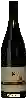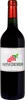
Winery Villa BalestraRosso
 Red wine


In the mouth this red wine is a powerful.
This wine generally goes well with beef, game (deer, venison) or lamb.

Taste structure of the Rosso from the Winery Villa Balestra
Light | Bold | |
Smooth | Tannic | |
Dry | Sweet | |
Soft | Acidic |
In the mouth the Rosso of Winery Villa Balestra in the region of Piedmont is a powerful.
Food and wine pairings with Rosso
Pairings that work perfectly with Rosso



Original food and wine pairings with Rosso

The Rosso of Winery Villa Balestra matches generally quite well with dishes of beef, pasta or lamb such as recipes of cataplana with seafood, pasta alla norma or lamb epigram in spicy sauce.
Details and technical informations about Winery Villa Balestra's Rosso.
Discover the grape variety: Tannat meunier
Deeply coloured and structured reds with a dense purple colour, firm and solid tannins, a powerful palate with preserved acidity, and signature aromas of black fruits (blackberry, blackcurrant), spices and garrigue notes. Rare profile, close to classic Tannat. A rare felty-leafed (meunier) variation of Tannat, now marginal, preserved in South-West varietal collections for its heritage value and studied for its genetic interest.
Last vintages of this wine
The best vintages of Rosso from Winery Villa Balestra are 2017, 0
Informations about the Winery Villa Balestra
The Winery Villa Balestra is one of of the world's greatest estates. It offers 10 wines for sale in the of Piedmont to come and discover on site or to buy online.

The wine region of Piedmont
Kingdom of Nebbiolo: Barolo and Barbaresco DOCG, long-ageing reds with firm tannins and lively acidity, complex aromas of withered rose, sour cherry, tar, truffle and undergrowth. More accessible, tangy Barbera on red fruit, supple, crisp Dolcetto. Sweet, floral sparkling Moscato d'Asti, mineral, lemony Gavi (Cortese) white, round, almondy Arneis from Roero. 50,000 ha across the Langhe, Roero and Monferrato, UNESCO.
The word of the wine: Wiring
Action of periodically filling barrels containing wine, in order to offset evaporation and maintain a maximum level. The topping up allows to avoid the phenomenon of oxidation.