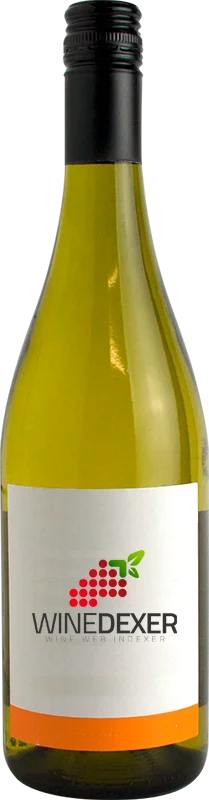
Winery Villa AlbaBianco Medium Dry
 White wine


In the mouth this white wine is a powerful.
This wine generally goes well with lean fish, shellfish or mature and hard cheese.
Taste structure of the Bianco Medium Dry from the Winery Villa Alba
Light | Bold | |
Dry | Sweet | |
Soft | Acidic |
In the mouth the Bianco Medium Dry of Winery Villa Alba in the region of Vino da Tavola is a powerful.
Food and wine pairings with Bianco Medium Dry
Pairings that work perfectly with Bianco Medium Dry



Original food and wine pairings with Bianco Medium Dry


The Bianco Medium Dry of Winery Villa Alba matches generally quite well with dishes of pasta, shellfish or mature and hard cheese such as recipes of fried rice noodles with chicken, navarin of the sea da gigi or stuffed pumpkin.
Details and technical informations about Winery Villa Alba's Bianco Medium Dry.
Discover the grape variety: Admirable
According to genetic analyses carried out in Montpellier (Hérault), it is the result of a cross between the bicane and the chasselas obtained in Saumur (Maine and Loire Valley) by Doctor Auguste Courtiller in the 1840s, registered in the Official Catalogue of table grape varieties, list A1. Today, the Admirable de Courtiller is practically no longer multiplied.
Last vintages of this wine
The best vintages of Bianco Medium Dry from Winery Villa Alba are 2015, 0
Informations about the Winery Villa Alba
The Winery Villa Alba is one of of the world's greatest estates. It offers 13 wines for sale in the of Vino da Tavola to come and discover on site or to buy online.

The wine region of Vino da Tavola
Vino da Tavola was the most basic classification of Italian wines. It is now renamed simply "Vino" and appears on labels as Vino d'Italia. The original name literally means "table wine" as opposed to premium wines from specific geographical locations (see EU wine label). In May 2011, the first legal steps were taken to abolish the Vino da Tavola category, in favor of a New classification of wines called simply Vino.
The word of the wine: Véraison
A phase in the vegetative cycle of the vine that takes place in summer, usually in August, when the grapes change colour from green to red (for reds) or yellow (for whites). This stage heralds the beginning of ripening.