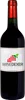
Vignobles ArbeauShin Hoa Tradition
 Red wine
This wine generally goes well with beef, lamb or mature and hard cheese.

Food and wine pairings with Shin Hoa Tradition
Pairings that work perfectly with Shin Hoa Tradition



Original food and wine pairings with Shin Hoa Tradition

The Shin Hoa Tradition of Vignobles Arbeau matches generally quite well with dishes such as recipes .
Details and technical informations about Vignobles Arbeau's Shin Hoa Tradition.
Discover the grape variety: Marquette
Structured, fruity reds with a deep ruby robe, melted tannins and high acidity. Aromas of cherry, plum, blackberry, black pepper, spices and herbal notes. Dense palate, tense finish. An extremely cold-hardy interspecific variety (to -38 °C on the vine), it is the signature of American northern viticulture (Minnesota, Vermont, Wisconsin, New York, Iowa) and Canada (Quebec, Ontario). Hybrid created in 2006 by the University of Minnesota (descendant of Pinot Noir).
Informations about the Vignobles Arbeau
The Vignobles Arbeau is one of wineries to follow in Vin de Pays.. It offers 99 wines for sale in the of Vin de Pays to come and discover on site or to buy online.

The wine region of Vin de Pays
Intermediate category between AOC and Vin de France (renamed IGP in 2009), 27% of national volume. Accessible, expressive wines defined by their grape: opulent Chardonnay, lively Sauvignon, round Merlot, peppery Syrah, floral Viognier with apricot. 76 IGP in France at 3 scales: regional (Pays d'Oc, Méditerranée, Val de Loire), departmental or local. Flexible rules, wide range of permitted grapes, free grape and vintage labelling.
The wine region of Pays d'Oc
The single-grape IGP par excellence: modern, accessible, frank and fruity wines, the popular signature of the Midi. Spicy Syrah reds (pepper, blackberry), round Merlot, structured Cabernet, generous Grenache, supple Cinsault. Crisp, tangy rosés. Opulent Chardonnay whites, lively Sauvignon, floral, apricoty Viognier.
The word of the wine: Oxidative (breeding)
A method of ageing which aims to give the wine certain aromas of evolution (dried fruit, bitter orange, coffee, rancio, etc.) by exposing it to the air; it is then matured either in barrels, demi-muids or unoaked casks, sometimes stored in the open air, or in barrels exposed to the sun and to temperature variations. This type of maturation characterizes certain natural sweet wines, ports and other liqueur wines.