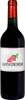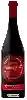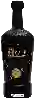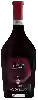
Winery Vigne NobiliBonarda dell'Oltrepo Pavese
 Red wine
This wine generally goes well with
Details and technical informations about Winery Vigne Nobili's Bonarda dell'Oltrepo Pavese.
Discover the grape variety: Dawn seedless
Cross between the gold and the pearl obtained in the United States (California) by Harold P. Olmo and Albert T. Koyama. This variety is also known in Chile. - Synonymy: davis g4-36 (for all the synonyms of the varieties, click here!).
Last vintages of this wine


The best vintages of Bonarda dell'Oltrepo Pavese from Winery Vigne Nobili are 0
Informations about the Winery Vigne Nobili
The Winery Vigne Nobili is one of of the world's greatest estates. It offers 16 wines for sale in the of Oltrepò Pavese to come and discover on site or to buy online.

The wine region of Oltrepò Pavese
The wine region of Oltrepò Pavese is located in the region of Lombardie of Italy. We currently count 256 estates and châteaux in the of Oltrepò Pavese, producing 794 different wines in conventional, organic and biodynamic agriculture. The wines of Oltrepò Pavese go well with generally quite well with dishes .
The wine region of Lombardia
Lombardy is one of Italy's largest and most populous regions, located in the north-central Part of the country. It's home to a handful of popular and well-known wine styles, including the Bright, cherry-scented Valtellina and the high-quality Sparkling wines Franciacorta and Oltrepo Pavese Metodo Classico. Lombardy is Italy's industrial powerhouse, with the country's second largest city (Milan) as its regional capital. Despite this, the region has vast tracts of unspoiled countryside, home to many small wineries that produce a significant portion of the region's annual wine production of 1.
The word of the wine: Black Grenache
Grenache is a black grape variety that originated in Spain and is one of the great quality varieties of southern France. Sometimes vinified on its own, it is most often blended with one or more other Rhone or southern grape varieties with complementary qualities such as Syrah, Mourvèdre, Carignan or Cinsault. Its wines are warm, with aromas of red fruits (cherry) and spices; they oxidize with time. Vinified alone or in very large proportions, Grenache Noir also makes great natural sweet wines in Roussillon (Rivesaltes, Banyuls, Maury) and in the Rhône Valley (Rasteau).