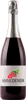
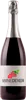
Winery Veuve AmbalJean de Villeneuve Sans Alcool Muscat
 Sparkling wine



This wine generally goes well with spicy food and sweet desserts.

Food and wine pairings with Jean de Villeneuve Sans Alcool Muscat
Pairings that work perfectly with Jean de Villeneuve Sans Alcool Muscat


Original food and wine pairings with Jean de Villeneuve Sans Alcool Muscat
The Jean de Villeneuve Sans Alcool Muscat of Winery Veuve Ambal matches generally quite well with dishes of spicy food or sweet desserts such as recipes of original francesinha (portugal) or the coughing cat's apple crumble.
Details and technical informations about Winery Veuve Ambal's Jean de Villeneuve Sans Alcool Muscat.
Discover the grape variety: Grenache Blanc
Rich, structured whites with a golden robe, an ample palate and moderate acidity, with aromas of ripe pear, white peach, white flowers, fennel, anise notes and fresh almond. Fine length. Cornerstone of the great whites of Châteauneuf-du-Pape AOC, Côtes-du-Rhône whites, Languedoc, Roussillon (Côtes du Roussillon AOC) and Catalonia (Terra Alta DO, Priorat DOQ). White-skinned mutation of Grenache Noir, autochthonous Mediterranean variety from Aragon.
Last vintages of this wine
The best vintages of Jean de Villeneuve Sans Alcool Muscat from Winery Veuve Ambal are 2018
Informations about the Winery Veuve Ambal
The Winery Veuve Ambal is one of of the world's great estates. It offers 109 wines for sale in the of Burgundy to come and discover on site or to buy online.

The wine region of Burgundy
Absolute reference for great terroir wines: opulent, mineral Chardonnay in whites (chiselled Chablis, buttery Meursault, majestic Montrachet), fine and silky Pinot Noir in reds (full-bodied Gevrey, structured Pommard, delicate Volnay). Exceptional age-worthy wines with complex notes - red fruits, undergrowth, butter, hazelnut. Some lively Aligoté and light Gamay (Mâconnais). 29,500 ha, 84 tiered AOCs (Régionale, Village, 1er Cru, Grand Cru), 1,247 UNESCO Climats.
The word of the wine: Concentrate
Said of a wine that is rich in all its components (sugars in sweet wines, tannins in red wines, aromatic compounds) and that leaves an impression of density, intensity and depth.