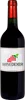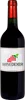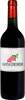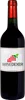
Winery VesperMcCormick Ranch Rosé
 wine
wine
This wine generally goes well with
The McCormick Ranch Rosé of the Winery Vesper is in the top 0 of wines of San Diego County.

Details and technical informations about Winery Vesper's McCormick Ranch Rosé.
Discover the grape variety: Spätburgunder
Elegant, structured reds with ruby colour ranging from light to intense, fine silky tannins and fresh acidity, showing signature aromas of red fruits (cherry, raspberry, strawberry), forest floor, spices, leather and earthy notes. Fine ageing potential, excelling on schist and volcanic soils. Star of the great German reds of Baden VDP, Palatinate VDP and Ahr VDP. German synonym for Pinot Noir, the Burgundian variety raised to high standards in Germany.
Informations about the Winery Vesper
The Winery Vesper is one of of the world's greatest estates. It offers 13 wines for sale in the of San Diego County to come and discover on site or to buy online.

The wine region of San Diego County
Historic diverse region of southern California (3 AVAs: San Pasqual Valley 1981, Ramona Valley 2006, San Luis Rey 2024): Merlot and Chardonnay signatures as kings, with Cabernet Sauvignon, Sangiovese, Cabernet Franc, Viognier, Zinfandel, Grenache and Rhône varieties (Syrah, Mourvèdre) as complement. Signature profile: Bordeaux, Rhône and Mediterranean. Vineyards from sea level to 4,200 ft, moderate Mediterranean climate, Pacific fogs and breezes, long season.
The wine region of California
Powerful, sunny reds: dense Napa Cabernet Sauvignon (blackcurrant, chocolate, tobacco, ample tannins), spicy, jammy Zinfandel from the Sierra Foothills, silky red-fruited Pinot Noir on the cool coast (Sonoma, Russian River, Central Coast). Opulent, buttery Chardonnay, notes of yellow fruit and vanilla. Varied climate, from the hot interior to the Pacific-cooled coast. 80% of US production, 139 AVAs including Napa (1st AVA, 1981).
The word of the wine: Cryo-extraction
This technique was very popular at the end of the 80's in Sauternes, a little less so now. The grapes are frozen before pressing, and the water transformed into ice remains in the marc, only the sugar flows out. As with the concentrators, the "cryo" can also increase bad taste and greenness.