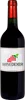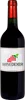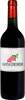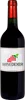
Winery VesperHidden Gem Vineyard Mourvèdre
 wine
wine
This wine generally goes well with
The Hidden Gem Vineyard Mourvèdre of the Winery Vesper is in the top 0 of wines of San Diego County.

Details and technical informations about Winery Vesper's Hidden Gem Vineyard Mourvèdre.
Discover the grape variety: Sérénèze de Voreppe
Lively, fresh whites to drink young, with a pale golden robe, an airy palate, and understated aromas of citrus, white flowers and fresh alpine notes. Discreet Dauphiné profile. Listed in the official catalogue, it survives in a few heritage plots in the Dauphiné and is studied among ancient alpine varieties. French autochthonous white grape from Isère, preserved for its heritage value.
Informations about the Winery Vesper
The Winery Vesper is one of of the world's great estates. It offers 13 wines for sale in the of San Diego County to come and discover on site or to buy online.

The wine region of San Diego County
Historic diverse region of southern California (3 AVAs: San Pasqual Valley 1981, Ramona Valley 2006, San Luis Rey 2024): Merlot and Chardonnay signatures as kings, with Cabernet Sauvignon, Sangiovese, Cabernet Franc, Viognier, Zinfandel, Grenache and Rhône varieties (Syrah, Mourvèdre) as complement. Signature profile: Bordeaux, Rhône and Mediterranean. Vineyards from sea level to 4,200 ft, moderate Mediterranean climate, Pacific fogs and breezes, long season.
The wine region of California
Powerful, sunny reds: dense Napa Cabernet Sauvignon (blackcurrant, chocolate, tobacco, ample tannins), spicy, jammy Zinfandel from the Sierra Foothills, silky red-fruited Pinot Noir on the cool coast (Sonoma, Russian River, Central Coast). Opulent, buttery Chardonnay, notes of yellow fruit and vanilla. Varied climate, from the hot interior to the Pacific-cooled coast. 80% of US production, 139 AVAs including Napa (1st AVA, 1981).
The word of the wine: Fees
This wine is characterized by a pleasant nervousness and an overall sensation of freshness on the palate, reinforced by minerality, a note of bitterness, a hint of CO2, and of course an appropriate serving temperature.