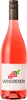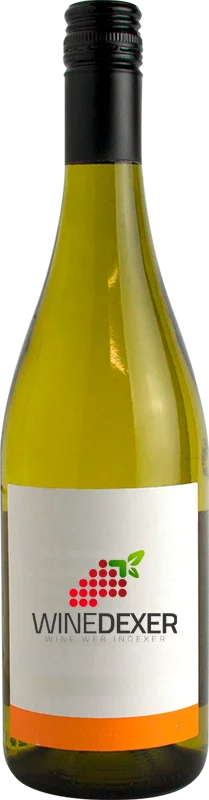
Winery VaraisonPerle Blanche Estate Reserve Chardonnay
 White wine
This wine generally goes well with pork, vegetarian or poultry.
Food and wine pairings with Perle Blanche Estate Reserve Chardonnay
Pairings that work perfectly with Perle Blanche Estate Reserve Chardonnay



Original food and wine pairings with Perle Blanche Estate Reserve Chardonnay

The Perle Blanche Estate Reserve Chardonnay of Winery Varaison matches generally quite well with dishes of pork, rich fish (salmon, tuna etc) or vegetarian such as recipes of endive frichti, tuna catalan style or spinach and goat cheese quiche.
Details and technical informations about Winery Varaison's Perle Blanche Estate Reserve Chardonnay.
Discover the grape variety: Chardonnay
The white Chardonnay is a grape variety that originated in France (Burgundy). It produces a variety of grape specially used for wine making. It is rare to find this grape to eat on our tables. This variety of grape is characterized by small bunches, and small grapes. White Chardonnay can be found in many vineyards: South West, Burgundy, Jura, Languedoc & Roussillon, Cognac, Bordeaux, Beaujolais, Savoie & Bugey, Loire Valley, Champagne, Rhone Valley, Armagnac, Lorraine, Alsace, Provence & Corsica.
Informations about the Winery Varaison
The Winery Varaison is one of of the world's greatest estates. It offers 8 wines for sale in the of Colorado to come and discover on site or to buy online.

The wine region of Colorado
Colorado is a state in the western United States, bordered by NewMexico to the South and Wyoming to the North. Colorado's vineyards are among the highest in the world, reaching altitudes of 2135 m in the Rocky Mountains. They rival even the famous Andean vineyards of Argentina. Grapes grown at this altitude produce wine with vibrant, intense colors and aromas created by the intense sunlight and cool nights.
The word of the wine: Trader-breeder
In the major wine regions, the négociant does not simply buy and resell the wines but, from very young wines, carries out all the maturing operations until bottling.