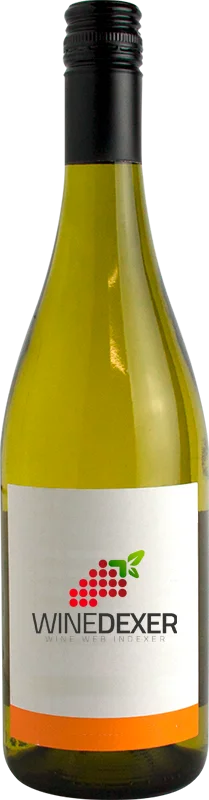
Winery Valle de Los AndesSauvignon Blanc
 White wine
In the mouth this white wine is a with a nice freshness.
This wine generally goes well with vegetarian, shellfish or goat cheese.
Taste structure of the Sauvignon Blanc from the Winery Valle de Los Andes
Light | Bold | |
Dry | Sweet | |
Soft | Acidic |
In the mouth the Sauvignon Blanc of Winery Valle de Los Andes in the region of Central Valley is a with a nice freshness.
Food and wine pairings with Sauvignon Blanc
Pairings that work perfectly with Sauvignon Blanc


Original food and wine pairings with Sauvignon Blanc
The Sauvignon Blanc of Winery Valle de Los Andes matches generally quite well with dishes of shellfish, vegetarian or goat cheese such as recipes of oven-roasted breton lobster with salted butter from the jaguin brothers (the..., leek, goat cheese and bacon quiche or provençal tart with tomato and goat cheese.
Details and technical informations about Winery Valle de Los Andes's Sauvignon Blanc.
Discover the grape variety: Tannat meunier
This grape variety is found in southwestern France. It is a natural mutation of Tannat, so its resemblance is normal and only its very white down differentiates it. It is practically not propagated... another example of such a mutation, meunier or pinot meunier. - Synonymy: no synonym to date (for all the synonyms of grape varieties, click here!).
Informations about the Winery Valle de Los Andes
The Winery Valle de Los Andes is one of of the world's greatest estates. It offers 7 wines for sale in the of Central Valley to come and discover on site or to buy online.

The wine region of Central Valley
The Central Valley (El Valle Central) of Chile is one of the most important wine-producing areas in South America in terms of Volume. It is also one of the largest wine regions, stretching from the Maipo Valley (just south of Santiago) to the southern end of the Maule Valley. This is a distance of almost 250 miles (400km) and covers a number of Climate types. The Central Valley wine region is easily (and often) confused with the geological Central Valley, which runs north–south for more than 620 miles (1000km) between the Pacific Coastal Ranges and the lower Andes.
The word of the wine: Cup (size in)
Specific to the Mediterranean vineyard, this short pruning which opens the stock in the shape of a corolla offers a good resistance to violent winds but does not allow any mechanization of the vine work.