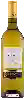
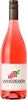
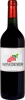
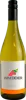
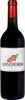
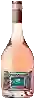
Winery Les Celliers du Prieure - Valentin FleurLa Réserve de Valentin Grenache - Syrah Rosé
 Pink wine
This wine generally goes well with vegetarian, appetizers and snacks or lean fish.

Food and wine pairings with La Réserve de Valentin Grenache - Syrah Rosé
Pairings that work perfectly with La Réserve de Valentin Grenache - Syrah Rosé



Original food and wine pairings with La Réserve de Valentin Grenache - Syrah Rosé


The La Réserve de Valentin Grenache - Syrah Rosé of Winery Les Celliers du Prieure - Valentin Fleur matches generally quite well with dishes of pasta, vegetarian or appetizers and snacks such as recipes of fish lasagne, goat cheese and bacon quiche or lebanese hummus.
Details and technical informations about Winery Les Celliers du Prieure - Valentin Fleur's La Réserve de Valentin Grenache - Syrah Rosé.
Discover the grape variety: Roscetto
Structured and aromatic dry whites with a pale golden robe and copper highlights, an ample palate with preserved acidity, showing signature aromas of citrus, white flowers, yellow fruits (pear) and volcanic mineral notes. Also in orange wines with tannins and dried fruits. Preserved for its heritage value in Lazio around Civitella d'Agliano, featured in local artisan blends. Native white Italian grape from Lazio, studied for its genetic interest.
Informations about the Winery Les Celliers du Prieure - Valentin Fleur
The Winery Les Celliers du Prieure - Valentin Fleur is one of of the world's great estates. It offers 60 wines for sale in the of Pays d'Oc to come and discover on site or to buy online.

The wine region of Pays d'Oc
The single-grape IGP par excellence: modern, accessible, frank and fruity wines, the popular signature of the Midi. Spicy Syrah reds (pepper, blackberry), round Merlot, structured Cabernet, generous Grenache, supple Cinsault. Crisp, tangy rosés. Opulent Chardonnay whites, lively Sauvignon, floral, apricoty Viognier.
The word of the wine: Courgée
Name of the fruiting branch left after pruning and which is then arched along the trellis in the Jura (in the Mâconnais, it is called the tail).