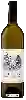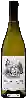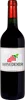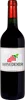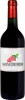
Winery Maître-de-ChaiMassa Vineyard Cabernet Sauvignon
 wine
wine
This wine generally goes well with
The Massa Vineyard Cabernet Sauvignon of the Winery Maître-de-Chai is in the top 0 of wines of Carmel Valley.

Details and technical informations about Winery Maître-de-Chai's Massa Vineyard Cabernet Sauvignon.
Discover the grape variety: Fel
Simple, fresh dry gris whites with a pale rose-copper robe, a supple palate with moderate acidity, and undemonstrative aromas of citrus and white flowers. A discreet rustic profile. Preserved in a few ampelographic collections, Fel is an ancient heritage variety whose commercial cultivation has almost vanished; it is studied for its genetic interest. A rare, poorly documented gris grape grown in negligible quantities.
Last vintages of this wine


The best vintages of Massa Vineyard Cabernet Sauvignon from Winery Maître-de-Chai are 2019, 0
Informations about the Winery Maître-de-Chai
The Winery Maître-de-Chai is one of of the world's greatest estates. It offers 11 wines for sale in the of Carmel Valley to come and discover on site or to buy online.

The wine region of Carmel Valley
Monterey AVA 16 km from the ocean: dominant Bordeaux varieties — Cabernet Sauvignon and Merlot (>70%) in rich, full-bodied reds. Well-drained gravelly terraces, hot days and cool nights ideal for Bordeaux grapes. Cachagua Valley above the fog exposes to warmer climate, marked thermal swings and progressive ripening generating fruit and tannic complexity. Bordeaux identity of the central coast.
The wine region of California
Powerful, sunny reds: dense Napa Cabernet Sauvignon (blackcurrant, chocolate, tobacco, ample tannins), spicy, jammy Zinfandel from the Sierra Foothills, silky red-fruited Pinot Noir on the cool coast (Sonoma, Russian River, Central Coast). Opulent, buttery Chardonnay, notes of yellow fruit and vanilla. Varied climate, from the hot interior to the Pacific-cooled coast. 80% of US production, 139 AVAs including Napa (1st AVA, 1981).
The word of the wine: Ovoids (tanks)
Egg-shaped vats used for wine making and maturing that favour the natural suspension of the lees thanks to the vortex movements, which give the wine more fat and fruity aromas.