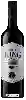
Winery Umami(AU)Classic Sangiovese
 wine
wine
This wine generally goes well with
The Classic Sangiovese of the Winery Umami(AU) is in the top 0 of wines of King Valley.
Details and technical informations about Winery Umami(AU)'s Classic Sangiovese.
Discover the grape variety: Elbling
Elbling blanc is a grape variety that originated in France. It produces a variety of grape specially used for wine making. It is rare to find this grape for eating on our tables. White Elbling can be found grown in these vineyards: South West, Cognac, Bordeaux, Provence & Corsica, Rhone Valley.
Informations about the Winery Umami(AU)
The Winery Umami(AU) is one of of the world's greatest estates. It offers 5 wines for sale in the of King Valley to come and discover on site or to buy online.

The wine region of King Valley
The wine region of King Valley is located in the region of North East Victoria of Victoria of Australia. Wineries and vineyards like the Domaine Pizzini or the Domaine Dal Zotto produce mainly wines red, white and sparkling. The most planted grape varieties in the region of King Valley are Sangiovese, Cabernet-Sauvignon and Riesling, they are then used in wines in blends or as a single variety. On the nose of King Valley often reveals types of flavors of cherry, mushroom or red fruit and sometimes also flavors of forest floor, vanilla or leather.
The wine region of Victoria
Victoria is a relatively small but important Australian wine state. Located in the Southeastern corner of the continent, with a generally cool, ocean-influenced Climate, Victorian wine is remarkably diverse, producing all sorts of wines and styles in different climates. In all, the state covers almost 250,000 square kilometres (over 90,000 square miles) of land (almost the same Size as the US state of Texas), well under a quarter the size of its western neighbour, South Australia, and less than a third the size of New South Wales to the North. As such, Victoria's size - and to some extent, the state's viticultural history - can defy generalization.
The word of the wine: Rimage
"Vintage", in Catalan. A natural sweet wine that is bottled early to preserve its fruitiness, as opposed to those aged in an oxidizing environment (see this word). Syn.: vintage (for maury, port).