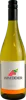
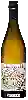
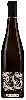
Winery Jochen UebelSauvignon Blanc
 White wine


In the mouth this white wine is a with a nice freshness.
This wine generally goes well with vegetarian, shellfish or goat cheese.

Taste structure of the Sauvignon Blanc from the Winery Jochen Uebel
Light | Bold | |
Dry | Sweet | |
Soft | Acidic |
In the mouth the Sauvignon Blanc of Winery Jochen Uebel in the region of Pfalz is a with a nice freshness.
Food and wine pairings with Sauvignon Blanc
Pairings that work perfectly with Sauvignon Blanc


Original food and wine pairings with Sauvignon Blanc
The Sauvignon Blanc of Winery Jochen Uebel matches generally quite well with dishes of shellfish, vegetarian or goat cheese such as recipes of pike quenelles with lobster bisque sauce, summer tuna quiche or baked béchamel potatoes.
Details and technical informations about Winery Jochen Uebel's Sauvignon Blanc.
Discover the grape variety: Picpoul Blanc
Crisp, nervy dry whites with a pale golden colour, a taut palate and signature cutting acidity ("lip-stinger"), showing aromas of citrus (lemon, grapefruit), white flowers (hawthorn), green apple, Mediterranean herbs and saline marine notes. A perfect match with oysters and shellfish. The absolute star of Picpoul de Pinet AOC, Languedoc's great dry white. Indigenous French variety of the Languedoc, synonym of Piquepoul blanc.
Last vintages of this wine

The best vintages of Sauvignon Blanc from Winery Jochen Uebel are 2018, 0, 2019, 2017
Informations about the Winery Jochen Uebel
The Winery Jochen Uebel is one of of the world's greatest estates. It offers 25 wines for sale in the of Pfalz to come and discover on site or to buy online.

The wine region of Pfalz
Fleshy, dry, fruity Riesling is the region's signature: yellow peach, apricot, ripe citrus, lovely mineral tension. Germany's largest red-wine area (40%), with silky Spätburgunder showing red fruit and spice, darker structured Dornfelder, supple Portugieser. Some rounded Pinot Blanc and Pinot Gris. A 23,640 ha vineyard along the Haardt, among Germany's warmest (>2,000 h of sun).
The word of the wine: Côte des Blancs
One of the most famous terroirs of the Champagne region, from Épernay to Vertus, mainly devoted to Chardonnay, hence its name. The villages of Chouilly, Cramant, Cuis, Mesnil-sur-Oger, Avize, etc., lying on the chalk, are in a way to Champagne what Meursault, Chablis and Puligny are to Burgundy.