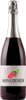
Tulbagh WineryFlippenice Sauvignon Blanc Brut
 Sparkling wine
This wine generally goes well with
Details and technical informations about Tulbagh Winery's Flippenice Sauvignon Blanc Brut.
Discover the grape variety: Aledo
This variety has been cultivated for a long time in Spain. In France, it is practically unknown, although it is registered in the Official Catalogue of vine varieties, list A2.
Informations about the Tulbagh Winery
The Tulbagh Winery is one of of the world's great estates. It offers 41 wines for sale in the of Tulbagh to come and discover on site or to buy online.

The wine region of Tulbagh
The wine region of Tulbagh is located in the region of Coastal Region of Western Cape of South Africa. Wineries and vineyards like the Domaine Rijk's or the Domaine Saronsberg produce mainly wines red, white and sparkling. The most planted grape varieties in the region of Tulbagh are Cabernet-Sauvignon, Pinotage and Chenin blanc, they are then used in wines in blends or as a single variety. On the nose of Tulbagh often reveals types of flavors of butterscotch, cranberry or prune and sometimes also flavors of cassis, clove or chocolate.
The wine region of Western Cape
The Western Cape is home to the vast majority of the South African wine industry, and the country's two most famous wine regions, Stellenbosch and Paarl. The city of Cape Town serves as the epicenter of the Cape Winelands, a mountainous, biologically diverse area in the south-western corner of the African continent. A wide variety of wines are produced here. Wines from the Shiraz and Pinotage">Pinotage grape varieties can be fresh and juicy or Full-bodied and gutsy.
The word of the wine: Dress
Visual aspect of the wine. The colour is defined by its intensity, clarity, brilliance and colour, which indicate the level of evolution of the wine, thus giving an indication of its vintage.