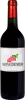
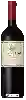
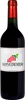
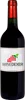
Winery TucumenZinfandel
 Red wine



This wine generally goes well with beef, lamb or goat cheese.

Food and wine pairings with Zinfandel
Pairings that work perfectly with Zinfandel



Original food and wine pairings with Zinfandel
The Zinfandel of Winery Tucumen matches generally quite well with dishes of beef, lamb or goat cheese such as recipes of lamb skewers, lamb and coconut curry, african style or 4 seasons pizza my way.
Details and technical informations about Winery Tucumen's Zinfandel.
Discover the grape variety: Zinfandel
Generous, high-alcohol reds with a dark robe and indulgent palate, showing aromas of stewed blackberry, raspberry, black pepper, liquorice, cinnamon and cooked fruit. Also vinified as a popular sweet rosé (White Zinfandel). Star of California (Lodi, Sonoma, Dry Creek Valley, Paso Robles) with sought-after century-old vines. Identical to Italian Primitivo and Croatian Crljenak Kaštelanski by DNA analysis.
Last vintages of this wine
The best vintages of Zinfandel from Winery Tucumen are 2014, 2016, 0
Informations about the Winery Tucumen
The Winery Tucumen is one of of the world's greatest estates. It offers 15 wines for sale in the of Mendoza to come and discover on site or to buy online.

The wine region of Mendoza
World capital of Malbec: powerful, deep reds with blackberry, plum, violet and sweet spice, round tannins and vivid fruit. Also firm Cabernet Sauvignon, supple, juicy Bonarda, aromatic floral white Torrontés. High-altitude vineyards (800-1,700 m) at the foot of the Andes, dry continental climate irrigated by glacial waters. ~80% of Argentine output across 150,000 ha.
The word of the wine: Juice
The juice of wine grapes (intended for wine making) is colourless. It is the anthocyanins contained in the grape skin that colour the juice during maceration.