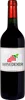
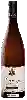
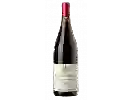
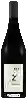
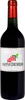
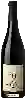
Domaine des Trois ToitsAbouriou Arrogance
 Red wine
This wine generally goes well with poultry, veal or game (deer, venison).

Food and wine pairings with Abouriou Arrogance
Pairings that work perfectly with Abouriou Arrogance



Original food and wine pairings with Abouriou Arrogance
The Abouriou Arrogance of Domaine des Trois Toits matches generally quite well with dishes such as recipes .
Details and technical informations about Domaine des Trois Toits's Abouriou Arrogance.
Discover the grape variety: Abouriou
Supple, fruity reds with a deep purple robe, smooth tannins and moderate acidity, showing aromas of red and black fruits (cherry, blackberry, plum), sweet spices and floral notes. Round, approachable young, easy-drinking wines. Star of Côtes du Marmandais AOC, identity pillar of the appellation alongside cabernet and merlot, also present in Buzet AOC and Fronton AOC. Autochthonous South-West variety from Lot-et-Garonne, rediscovered in the 19th century.
Informations about the Domaine des Trois Toits
The Domaine des Trois Toits is one of of the world's great estates. It offers 11 wines for sale in the of Loire Valley to come and discover on site or to buy online.

The wine region of Loire Valley
Kingdom of lively, dry whites and fine sparklers. Mineral, taut Sauvignon Blanc (Sancerre, Pouilly-Fumé) with citrus and gunflint notes. Multiform Chenin Blanc (Vouvray, Savennières, Layon): straight dry, floral off-dry or noble sweet honey-quince. Saline, iodised Muscadet (Melon B.
The word of the wine: Overmaturation
When the grapes reach maturity, the skin becomes permeable and progressively loses water, which causes a concentration phenomenon inside the berry. This is called over-ripening or passerillage.