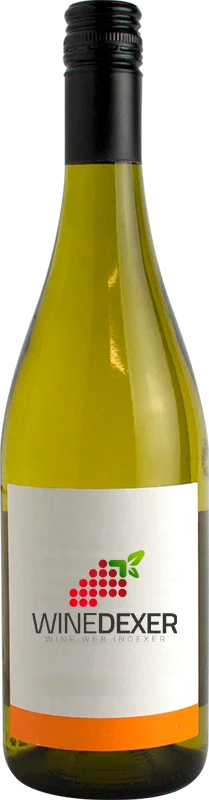
Winery TravelingBright Eyed Bird White
 White wine
This wine is a blend of 2 varietals which are the Chardonnay and the Viognier.
This wine generally goes well with pork, poultry or shellfish.

Food and wine pairings with Bright Eyed Bird White
Pairings that work perfectly with Bright Eyed Bird White



Original food and wine pairings with Bright Eyed Bird White

The Bright Eyed Bird White of Winery Traveling matches generally quite well with dishes of pasta, pork or shellfish such as recipes of pasta gratin with courgettes and ham, stuffed pumpkin or soupions à la provençale.
Details and technical informations about Winery Traveling's Bright Eyed Bird White.
Discover the grape variety: Chardonnay
Whites with many faces: mineral and taut at Chablis (lemon, green apple, flint), opulent and buttery at Meursault and Puligny-Montrachet (hazelnut, brioche, yellow fruits), tense and chalky in Champagne (Blanc de Blancs). Also vinified sparkling and widely exported (Sonoma, Margaret River, Casablanca). A Burgundian variety, a cross of Pinot Noir × Gouais Blanc, half-sibling of Aligoté.
Informations about the Winery Traveling
The Winery Traveling is one of of the world's great estates. It offers 53 wines for sale in the of Paso Robles to come and discover on site or to buy online.

The wine region of Paso Robles
Powerful, sun-drenched reds of California's Central Coast: ripe, concentrated Cabernet Sauvignon (40%) with notes of plum and chocolate, round tannins. Emblematic Rhône grapes — fleshy peppery Syrah, fruity Grenache, structured Mourvèdre, Viognier in white. Spicy old-vine Zinfandel, a local signature. AVA of San Luis Obispo, 11 sub-AVAs, Mediterranean climate with thermal swings on limestone soils.
The wine region of California
Powerful, sunny reds: dense Napa Cabernet Sauvignon (blackcurrant, chocolate, tobacco, ample tannins), spicy, jammy Zinfandel from the Sierra Foothills, silky red-fruited Pinot Noir on the cool coast (Sonoma, Russian River, Central Coast). Opulent, buttery Chardonnay, notes of yellow fruit and vanilla. Varied climate, from the hot interior to the Pacific-cooled coast. 80% of US production, 139 AVAs including Napa (1st AVA, 1981).
The word of the wine: Green harvest or green harvesting
The practice of removing excess bunches of grapes from certain vines, usually in July, but sometimes later. This is often necessary, but not always a good thing, as the remaining grapes tend to gain weight.