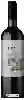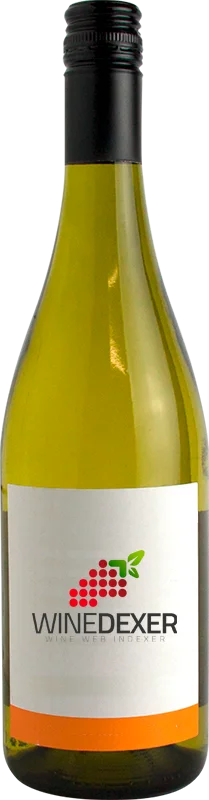
Winery TrapezioVineyard Selection Sauvignon Blanc
 White wine


In the mouth this white wine is a with a nice freshness.
This wine generally goes well with vegetarian, shellfish or goat cheese.

Taste structure of the Vineyard Selection Sauvignon Blanc from the Winery Trapezio
Light | Bold | |
Dry | Sweet | |
Soft | Acidic |
In the mouth the Vineyard Selection Sauvignon Blanc of Winery Trapezio in the region of Mendoza is a with a nice freshness.
Food and wine pairings with Vineyard Selection Sauvignon Blanc
Pairings that work perfectly with Vineyard Selection Sauvignon Blanc



Original food and wine pairings with Vineyard Selection Sauvignon Blanc
The Vineyard Selection Sauvignon Blanc of Winery Trapezio matches generally quite well with dishes of shellfish, vegetarian or goat cheese such as recipes of wok of shrimps with vegetables, spinach and goat cheese quiche or tagliatelle with goat cheese and caramelized chicken.
Details and technical informations about Winery Trapezio's Vineyard Selection Sauvignon Blanc.
Discover the grape variety: Tchilar
Simple, fresh dry whites with a pale golden robe, a supple palate with moderate acidity, and undemonstrative aromas of citrus and white flowers. Discreet Caucasian profile. Preserved in a few ampelographic collections for its heritage value, it is an ancient Caucasian variety whose commercial distribution has virtually disappeared, studied for its genetic interest. Rare white variety of Caucasian origin, grown in confidential quantities.
Last vintages of this wine
The best vintages of Vineyard Selection Sauvignon Blanc from Winery Trapezio are 0, 2018
Informations about the Winery Trapezio
The Winery Trapezio is one of of the world's great estates. It offers 25 wines for sale in the of Mendoza to come and discover on site or to buy online.

The wine region of Mendoza
World capital of Malbec: powerful, deep reds with blackberry, plum, violet and sweet spice, round tannins and vivid fruit. Also firm Cabernet Sauvignon, supple, juicy Bonarda, aromatic floral white Torrontés. High-altitude vineyards (800-1,700 m) at the foot of the Andes, dry continental climate irrigated by glacial waters. ~80% of Argentine output across 150,000 ha.
The word of the wine: Tanin
A natural compound contained in the skin of the grape, the seed or the woody part of the bunch, the stalk. The maceration of red wines allows the extraction of tannins, which give the texture, the solidity and also the mellowness when the tannins are "ripe". The winemaker seeks above all to extract the tannins from the skin, the ripest and most noble. The tannins of the seed or stalk, which are "greener", especially in average years, give the wine hardness and astringency. The wines of Bordeaux (based on Cabernet and Merlot) are full of tannins, those of Burgundy much less so, with Pinot Noir containing little.