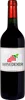
Winery TorreblancaKokoro Tinto
 Red wine


In the mouth this red wine is a powerful with a lot of tannins present in the mouth.
This wine generally goes well with poultry, beef or veal.

Taste structure of the Kokoro Tinto from the Winery Torreblanca
Light | Bold | |
Smooth | Tannic | |
Dry | Sweet | |
Soft | Acidic |
In the mouth the Kokoro Tinto of Winery Torreblanca in the region of Catalogne is a powerful with a lot of tannins present in the mouth.
Food and wine pairings with Kokoro Tinto
Pairings that work perfectly with Kokoro Tinto



Original food and wine pairings with Kokoro Tinto

The Kokoro Tinto of Winery Torreblanca matches generally quite well with dishes of beef, pasta or veal such as recipes of mexican beef tacos, pasta with puttanesca sauce or simple veal sauté.
Details and technical informations about Winery Torreblanca's Kokoro Tinto.
Discover the grape variety: Garonnet
Colourful, structured reds with a sustained purple robe, firm tannins and an ample palate with preserved acidity. Signature aromas of black fruits (blackcurrant, blackberry) and spice. Productive. Grown in small quantities in south-west France for IGPs, blended into modern southern assemblages. A French black grape obtained in 1959 by crossing Morrastel-Bouschet × Cot.
Last vintages of this wine
The best vintages of Kokoro Tinto from Winery Torreblanca are 2013, 0
Informations about the Winery Torreblanca
The Winery Torreblanca is one of of the world's great estates. It offers 11 wines for sale in the of Catalogne to come and discover on site or to buy online.

The wine region of Catalogne
Cradle of Cava (~95% of Spanish output, traditional method): Macabeo, Xarel-lo, Parellada trilogy, fine fruity bubble. Quality peak in Priorat DOCa: dense, mineral reds on llicorella (schist), old-vine Garnacha and Cariñena with black fruit, garrigue notes, firm tannins. Also Penedès, fleshy Montsant, sunny Empordà, Costers del Segre. Mediterranean.
The word of the wine: Reassembly
During the vinification process, a "cap" is formed at the top of the vats with the solid parts (skin, pulp, pips, etc.), which contain tannins and colouring elements. Pumping over consists of emptying the vat from the bottom and pouring the juice back to the top, in order to mix the cap and the juice and to favour the exchange and the extraction. This old technique allows a better exchange between the solid parts and the liquid.