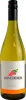
Winery Torre QuartoBiancovivace
 White wine
In the mouth this white wine is a powerful.
This wine generally goes well with vegetarian, appetizers and snacks or shellfish.

Taste structure of the Biancovivace from the Winery Torre Quarto
Light | Bold | |
Dry | Sweet | |
Soft | Acidic |
In the mouth the Biancovivace of Winery Torre Quarto in the region of Puglia is a powerful.
Food and wine pairings with Biancovivace
Pairings that work perfectly with Biancovivace



Original food and wine pairings with Biancovivace
The Biancovivace of Winery Torre Quarto matches generally quite well with dishes of shellfish, vegetarian or appetizers and snacks such as recipes of wok of pointed cabbage with shrimps and lemongrass bo bun style, vegan leek and tofu quiche or tuna, tomato and olive cake.
Details and technical informations about Winery Torre Quarto's Biancovivace.
Discover the grape variety: Xynisteri
Lively, fresh whites to drink young, with a pale golden robe and an airy palate, with signature aromas of citrus (lemon), white flowers, green apple and mineral notes. Also excels as a passito in the mythical Commandaria sweet wine. Essential component of Commandaria (with Mavro), also producing modern dry Cypriot whites. Autochthonous white variety of Cyprus, the most planted on the island.
Informations about the Winery Torre Quarto
The Winery Torre Quarto is one of of the world's great estates. It offers 33 wines for sale in the of Puglia to come and discover on site or to buy online.

The wine region of Puglia
Heel of the boot, 80% red vineyard, sunny and generous. Fleshy, jammy Primitivo (= Zinfandel) with notes of black cherry, plum, chocolate and spices, powerful alcohol and melted tannins, a star in Primitivo di Manduria. Deep, structured Negroamaro (black-bitter) with a bitter finish in Salice Salentino. Structured Nero di Troia, spicy Susumaniello.
The word of the wine: Phylloxera
Aphid that came from America and ravaged European vineyards at the end of the 19th century. It lives on the roots of the vine, from which it pumps the sap. The only vines capable of resisting it had to be imported from the United States, and then grafted onto their root system the wood of traditional French grape varieties. Today, grafted vines are always planted.