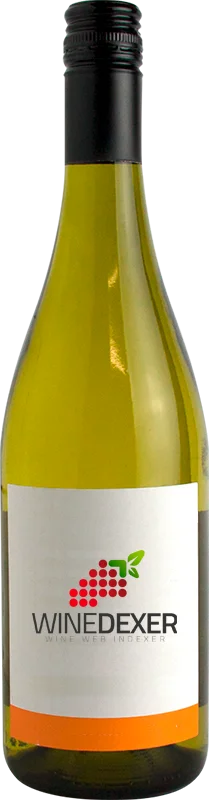
Château TopoľčiankySauvignon Neskorý Zber
 Sweet wine



This wine generally goes well with vegetarian, rich fish (salmon, tuna etc) or shellfish.
Food and wine pairings with Sauvignon Neskorý Zber
Pairings that work perfectly with Sauvignon Neskorý Zber



Original food and wine pairings with Sauvignon Neskorý Zber
The Sauvignon Neskorý Zber of Château Topoľčianky matches generally quite well with dishes of rich fish (salmon, tuna etc), shellfish or vegetarian such as recipes of baked salmon mediterranean style, spanish paella or zucchini quiche.
Details and technical informations about Château Topoľčianky's Sauvignon Neskorý Zber.
Discover the grape variety: Malvoisie de Toscane
It was cultivated in ancient times and is believed to be of Greek origin. In Italy, associated with Trebbiano Toscano, it was used to produce the famous Chianti: these two white varieties are no longer part of the vineyard. In France, Tuscan Malvasia is practically unknown. It should be noted that many grape varieties have "malvasia" as a synonym, so confusion between them is always possible.
Last vintages of this wine
The best vintages of Sauvignon Neskorý Zber from Château Topoľčianky are 0
Informations about the Château Topoľčianky
The Château Topoľčianky is one of of the world's great estates. It offers 85 wines for sale in the of Slovakia to come and discover on site or to buy online.

The wine region of Slovakia
Slovakia (officially The Slovak Republic) is a landlocked country described as being either at the eastern edge of Western Europe, or the western edge of Eastern Europe. This dichotomy reflects the state's recent history, a story of political unrest common in this region. The lands that are now Slovakia were an integral Part of Hungary for almost 900 years, but became independent when the Austro-Hungarian Empire was dismantled after the First World War. Almost immediately, Slovakia aligned itself with Bohemia and Moravia (the modern-day Czech Republic), Silesia and Carpathian Ruthenia to form Czechoslovakia.
The word of the wine: Grafting
A method used since the phylloxera crisis, consisting of fixing a graft of local origin on a rootstock resistant to phylloxera.