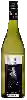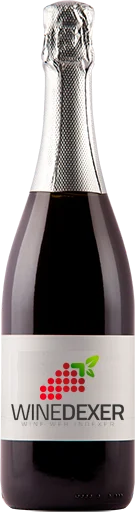
Winery TintillaRosalind Brut
 Sparkling wine


This wine generally goes well with pork, poultry or beef.

Food and wine pairings with Rosalind Brut
Pairings that work perfectly with Rosalind Brut



Original food and wine pairings with Rosalind Brut



The Rosalind Brut of Winery Tintilla matches generally quite well with dishes of beef, veal or pork such as recipes of american fillet (belgian-style beef tartar), veal shank in a pot au feu with star anise or pan-fried carrots.
Details and technical informations about Winery Tintilla's Rosalind Brut.
Discover the grape variety: Sangiovese
Firm, upright reds with precise acidity and angular tannins, showing aromas of sour cherry, plum, dried herbs, leather, black tea and balsamic notes. Characteristically bitter, savoury finish. Star of Chianti Classico DOCG, Brunello di Montalcino DOCG, Vino Nobile di Montepulciano DOCG and Morellino di Scansano. Italy's most planted variety, a descendant of Ciliegiolo × Calabrese di Montenuovo.
Last vintages of this wine
The best vintages of Rosalind Brut from Winery Tintilla are 0
Informations about the Winery Tintilla
The Winery Tintilla is one of of the world's great estates. It offers 24 wines for sale in the of Hunter Valley to come and discover on site or to buy online.

The wine region of Hunter Valley
Cradle of Australian viticulture (1825), 160 km north of Sydney. World signature: dry low-alcohol Sémillon (10-11°) with fresh citrus notes in youth, evolving after 10-15 years to candied lemon, toast, honey and beeswax, spectacular ageing. Medium-bodied "Hunter style" Shiraz, supple and earthy (leather, plum, sweet spices), capable of decades. Also Chardonnay and Verdelho.
The wine region of Nouvelle-Galles du Sud
Australia's 2nd wine state with diverse regions. Iconic Hunter Valley: a Sémillon unlike any other, straight, low-alcohol dry whites with vivid citrus when young, evolving over 10-20 years toward honey, toast and lanolin. Medium-bodied Hunter Shiraz, spicy and earthy (leather, red fruits). Also round Chardonnay and aromatic Verdelho.
The word of the wine: Tartar (deposit)
White, chalky deposits that occur as a result of precipitation inside bottles and are often considered by consumers as a defect. They are in fact tartaric salts formed by tartaric acid, potassium and calcium naturally present in the wine. This deposit does not alter the quality of the wine and can be eliminated by a simple decanting.