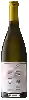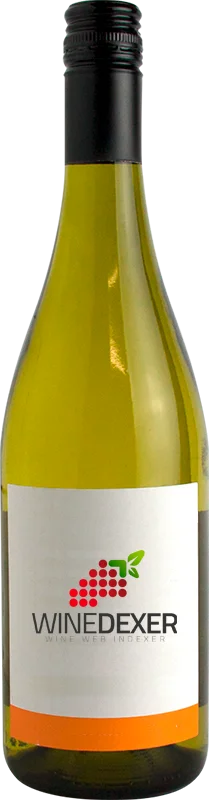
Winery Tin CupsSauvignon Blanc
 White wine



In the mouth this white wine is a with a nice freshness.
This wine generally goes well with vegetarian, shellfish or goat cheese.

Taste structure of the Sauvignon Blanc from the Winery Tin Cups
Light | Bold | |
Dry | Sweet | |
Soft | Acidic |
In the mouth the Sauvignon Blanc of Winery Tin Cups in the region of Western Cape is a with a nice freshness.
Food and wine pairings with Sauvignon Blanc
Pairings that work perfectly with Sauvignon Blanc



Original food and wine pairings with Sauvignon Blanc
The Sauvignon Blanc of Winery Tin Cups matches generally quite well with dishes of shellfish, vegetarian or goat cheese such as recipes of mi sao, quiche with leeks and fresh salmon from flo or light goat cheese and crab tart.
Details and technical informations about Winery Tin Cups's Sauvignon Blanc.
Discover the grape variety: Mandó
Supple, fruity reds with a clear ruby robe, silky tannins and an airy palate, with signature aromas of red fruits (cherry, raspberry), Mediterranean herbs (thyme, rosemary) and Levantine garrigue notes. A rustic, airy, near-extinct profile. Preserved for its heritage value, it is among the Levantine native grapes under study. Near-extinct native Spanish black grape from Valencia and Alicante.
Last vintages of this wine
The best vintages of Sauvignon Blanc from Winery Tin Cups are 0
Informations about the Winery Tin Cups
The Winery Tin Cups is one of of the world's greatest estates. It offers 4 wines for sale in the of Western Cape to come and discover on site or to buy online.

The wine region of Western Cape
Cradle of South African wine. Signature Chenin Blanc (Steen, 20%) in ample, fresh whites with notes of quince, yellow apple, honey and acacia flower, from crisp dry to sweet. Sharp, iodised Sauvignon Blanc (Walker Bay, Constantia), balanced Chardonnay. Reds: emblematic Pinotage with roasted aromas (coffee, plum, smoke), firm Cabernet Sauvignon, spicy Syrah.
The word of the wine: Tressallier
White grape variety from the Allier region, identical to the Sacy variety grown in Burgundy. Rarely vinified on its own, it is used in the blending of Saint-Pourçain white wines, associated with chardonnay, the main grape variety of the appellation. Syn.: sacy.