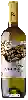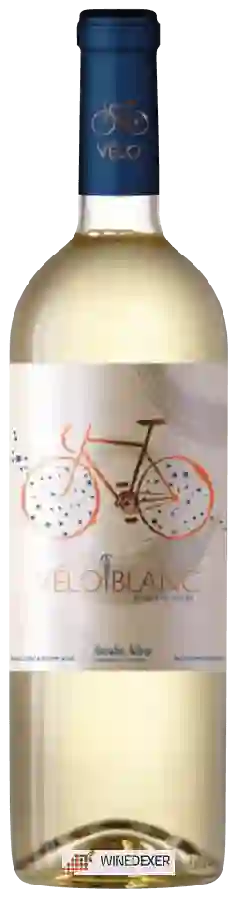
Winery Tianna NegreVélo Blanc
 White wine



This wine generally goes well with
The Vélo Blanc of the Winery Tianna Negre is in the top 50 of wines of Binissalem-Mallorca.
Details and technical informations about Winery Tianna Negre's Vélo Blanc.
Discover the grape variety: Manto negro
This grape variety is native to the Balearic Islands (Spain), more precisely to the island of Mayorque, and has been cultivated for a very long time. D.N.A. analyses have shown that it is the result of a natural cross between the sabaté and the callet cas concos (negrella), the latter being in danger of extinction. Manto negro is hardly known in other wine-producing countries, but in France it should be interesting for the production of original rosé wines that are pleasant to drink.
Last vintages of this wine
The best vintages of Vélo Blanc from Winery Tianna Negre are 2018, 0, 2017
Informations about the Winery Tianna Negre
The Winery Tianna Negre is one of of the world's great estates. It offers 48 wines for sale in the of Binissalem-Mallorca to come and discover on site or to buy online.

The wine region of Binissalem-Mallorca
Mallorcan DO at the island's heart around the village of Binissalem: signature native Manto Negro as red king (>=50%) — medium body signature profile with moderate tannins, ripe cherry, plum, raspberry and wild strawberry aromas, touches of Mediterranean herbs, dried earth and spices, leather and tobacco nuances on aging. Callet and Gorgollassa as complement, Premsal Blanc and Moscatel in whites. Limestones and clays, Mediterranean climate with hot summers, young friendly wines.
The wine region of Iles Baléares
Spanish Mediterranean archipelago (Majorca, Minorca, Ibiza), warm insular climate, limestone soils. Manto Negro (Majorca, 320 ha, native): supple and silky with red cherry, raspberry, plum, Mediterranean herbs and spicy hint, fine tannins and moderate alcohol. Round and fragrant Callet (native) solo or blended (young and rosé). Cabernet and Merlot for ageing cuvées.
The word of the wine: Maceration
Prolonged contact and exchange between the juice and the grape solids, especially the skin. Not to be confused with the time of fermentation, which follows maceration. The juice becomes loaded with colouring matter and tannins, and acquires aromas. For a rosé, the maceration is short so that the colour does not "rise" too much. For white wines too, a "pellicular maceration" can be practised, which allows the wine to acquire more fat.