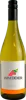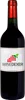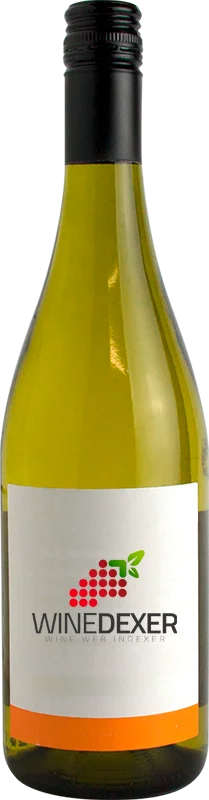
Winery ThuronisEsprit Vendangeur
 White wine


In the mouth this white wine is a .
This wine generally goes well with vegetarian, poultry or lean fish.
Taste structure of the Esprit Vendangeur from the Winery Thuronis
Light | Bold | |
Dry | Sweet | |
Soft | Acidic |
In the mouth the Esprit Vendangeur of Winery Thuronis in the region of Languedoc-Roussillon is a .
Food and wine pairings with Esprit Vendangeur
Pairings that work perfectly with Esprit Vendangeur



Original food and wine pairings with Esprit Vendangeur


The Esprit Vendangeur of Winery Thuronis matches generally quite well with dishes of pasta, vegetarian or poultry such as recipes of pasta with parmesan cream and ham, quiche with bacon and gruyère cheese or chicken el diablo.
Details and technical informations about Winery Thuronis's Esprit Vendangeur.
Discover the grape variety: Olivette blanche
This variety is of unknown origin and is not related to the black olivette. The flowers of the Olivette blanche are physiologically female, which has led it to be cultivated very often in association with other varieties. Today, it is practically no longer multiplied, although it is registered in the Official Catalogue of vine varieties, list A1.
Last vintages of this wine

The best vintages of Esprit Vendangeur from Winery Thuronis are 2017, 2013, 2012
Informations about the Winery Thuronis
The Winery Thuronis is one of of the world's greatest estates. It offers 17 wines for sale in the of Languedoc to come and discover on site or to buy online.

The wine region of Languedoc
Languedoc (formerly Coteaux du Languedoc) is a key appellation used in the Languedoc-Roussillon wine region of southern France. It covers Dry table wines of all three colors (red, white and rosé) from the entire region, but leaves Sweet and Sparkling wines to other more specialized appellations. About 75% of all Languedoc wines are red, with the remaining 25% split roughly down the middle between whites and rosés. The appellation covers most of the Languedoc region and almost a third of all the vineyards in France.
The wine region of Languedoc-Roussillon
Languedoc (formerly Coteaux du Languedoc) is a key appellation used in the Languedoc-Roussillon wine region of southern France. It covers Dry table wines of all three colors (red, white and rosé) from the entire region, but leaves Sweet and Sparkling wines to other more specialized appellations. About 75% of all Languedoc wines are red, with the remaining 25% split roughly down the middle between whites and rosés. The appellation covers most of the Languedoc region and almost a third of all the vineyards in France.
The word of the wine: Nose
In tasting, this is the second phase, which consists of identifying the wine's aromas and possibly its defects.