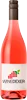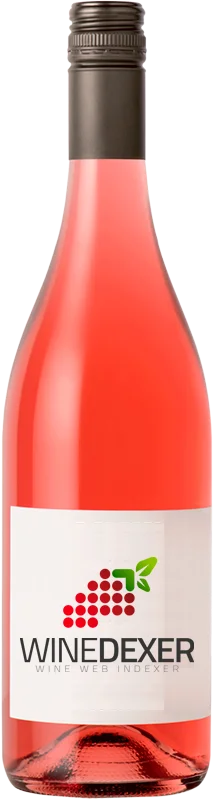
Winery Three MillsReserve Rosé
 Pink wine


This wine generally goes well with

Wine flavors and olphactive analysis


On the nose the Reserve Rosé of Winery Three Mills in the region of England often reveals types of flavors of red fruit.
Details and technical informations about Winery Three Mills's Reserve Rosé.
Discover the grape variety: Tazzelenghe
Powerful, tannic reds for long ageing, with a deep purple robe, tight tannins and a dense palate with pronounced acidity, with signature aromas of black fruits (blackberry, blackcurrant), spices, Mediterranean herbs and balsamic notes. Distinctive Friulian character. Grown in the Colli Orientali del Friuli DOC. Autochthonous black Friulian variety, whose name means "tongue-cutter".
Last vintages of this wine
The best vintages of Reserve Rosé from Winery Three Mills are 0, 2008
Informations about the Winery Three Mills
The Winery Three Mills is one of of the world's greatest estates. It offers 21 wines for sale in the of England to come and discover on site or to buy online.

The wine region of England
Quality renaissance of English wine, signature in traditional-method sparklers. On chalk soils identical to Champagne's (South-East), fine, taut bubbles with signature notes of green apple, lemon, white flowers, brioche and chalk, the vivid acidity of a cool climate. Based on Chardonnay, Pinot Noir and Meunier. Still wines a minority: aromatic Bacchus (elderflower, cut grass — the English identity), fresh Pinot Noir.
The word of the wine: Vinification of sweet wines
Moelleux and liquoreux wines are characterized by the presence of residual sugars (natural sugar of the grape), not transformed into alcohol under the effect of yeasts. The fermentation is stopped by cold and by the addition of sulphur dioxide (sulphur).