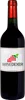
Winery Thiery WeberKremser Sandgrube Blauer Zweigelt
 Red wine


In the mouth this red wine is a with a nice freshness.
This wine generally goes well with beef, game (deer, venison) or lamb.

Taste structure of the Kremser Sandgrube Blauer Zweigelt from the Winery Thiery Weber
Light | Bold | |
Smooth | Tannic | |
Dry | Sweet | |
Soft | Acidic |
In the mouth the Kremser Sandgrube Blauer Zweigelt of Winery Thiery Weber in the region of Weinland is a with a nice freshness.
Wine flavors and olphactive analysis


On the nose the Kremser Sandgrube Blauer Zweigelt of Winery Thiery Weber in the region of Weinland often reveals types of flavors of black fruit.
Food and wine pairings with Kremser Sandgrube Blauer Zweigelt
Pairings that work perfectly with Kremser Sandgrube Blauer Zweigelt



Original food and wine pairings with Kremser Sandgrube Blauer Zweigelt
The Kremser Sandgrube Blauer Zweigelt of Winery Thiery Weber matches generally quite well with dishes of beef, lamb or game (deer, venison) such as recipes of pork tongue with tomato sauce and pickles, baekenofe (alsatian meat stew) or rabbit stew the old fashioned way.
Discover the grape variety: Zweigelt
Supple and fruity reds with a vivid ruby colour, soft tannins and snappy acidity, with aromas of sour cherry, raspberry, red plum and gentle spices. Made as easy-drinking young reds and as more structured, oak-aged cellar wines. The most planted red variety in Austria (Burgenland, Carnuntum, Neusiedlersee), created in 1922 by Friedrich Zweigelt in Klosterneuburg, a cross of saint laurent × blaufränkisch.
Last vintages of this wine
The best vintages of Kremser Sandgrube Blauer Zweigelt from Winery Thiery Weber are 0
Informations about the Winery Thiery Weber
The Winery Thiery Weber is one of of the world's greatest estates. It offers 23 wines for sale in the of Kremstal to come and discover on site or to buy online.

The wine region of Kremstal
Austrian treasure of Lower Austria around Krems: signature Grüner Veltliner DAC reigns in whites — vibrant and spicy with citrus (lemon, grapefruit), green apple, stone fruit and its signature white pepper, taut acidity. Delicate, mineral Riesling with peach, citrus, apricot and gunflint on the crystalline terraces of Stein, great ageing. DAC (2007) between the Wachau and Kamptal, a mosaic of gneiss to the west, deep loess to the east and conglomerates to the south.
The wine region of Weinland
Vast German-speaking region in north-eastern Switzerland, the country's largest production area. Signature Pinot Noir (Blauburgunder): fine, fresh reds with notes of cherry, raspberry, undergrowth and sweet spices, silky tannins. Elegant, delicate style, often barrel-aged. Also light, floral Müller-Thurgau (Riesling-Sylvaner), lively, lemony native Räuschling, ample Pinot Gris.
The word of the wine: Destemming
Operation consisting in eliminating the vegetal part of the bunch supporting the berries, its maceration with the must giving a herbaceous taste to the wine.