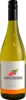
Winery Terra SaraSauvignon Blanc - Viura
 White wine



In the mouth this white wine is a powerful.
This wine generally goes well with appetizers and snacks, lean fish or shellfish.

Taste structure of the Sauvignon Blanc - Viura from the Winery Terra Sara
Light | Bold | |
Dry | Sweet | |
Soft | Acidic |
In the mouth the Sauvignon Blanc - Viura of Winery Terra Sara in the region of Rioja is a powerful.
Food and wine pairings with Sauvignon Blanc - Viura
Pairings that work perfectly with Sauvignon Blanc - Viura



Original food and wine pairings with Sauvignon Blanc - Viura

The Sauvignon Blanc - Viura of Winery Terra Sara matches generally quite well with dishes of shellfish, appetizers and snacks or lean fish such as recipes of raoul's bouillabaisse, goat's cheese sandwich with honey or festive sea pot.
Details and technical informations about Winery Terra Sara's Sauvignon Blanc - Viura.
Discover the grape variety: Rouge du Pays
Structured and elegant reds with a deep ruby robe, firm yet melted tannins and a dense palate with fine acidity, showing signature aromas of red fruits (morello cherry, raspberry), spices, pepper and Alpine mineral notes. Fine Valaisan ageing potential. Star of the great Valaisan reds on the sun-drenched slopes of the Swiss Rhône, a typical expression of Alpine terroir. Valaisan synonym for Cornalin, native black grape from Valais, identical to Cornalin from the Aosta Valley.
Last vintages of this wine
The best vintages of Sauvignon Blanc - Viura from Winery Terra Sara are 2016, 0
Informations about the Winery Terra Sara
The Winery Terra Sara is one of of the world's greatest estates. It offers 7 wines for sale in the of Rioja to come and discover on site or to buy online.

The wine region of Rioja
Star of great Spanish reds: signature Tempranillo, elegant and complex, with notes of ripe cherry, plum, leather, vanilla and tobacco from American oak ageing. Classification by age: fruity Joven, balanced Crianza, ample Reserva, deep, silky Gran Reserva (5 years, 2 in barrel). Some fresh Viura whites and generous rosés. Spain's first DOCa (1991), 3 sub-zones (Alta, Alavesa, Oriental), 93.
The word of the wine: Sarment
Vine shoot of the year.