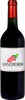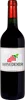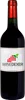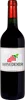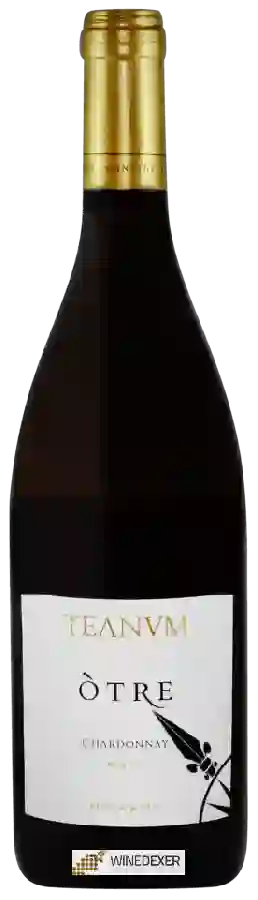
Winery TeanumÒtre Chardonnay
 White wine



In the mouth this white wine is a powerful.
This wine generally goes well with vegetarian, appetizers and snacks or shellfish.

Taste structure of the Òtre Chardonnay from the Winery Teanum
Light | Bold | |
Dry | Sweet | |
Soft | Acidic |
In the mouth the Òtre Chardonnay of Winery Teanum in the region of Puglia is a powerful.


Food and wine pairings with Òtre Chardonnay
Pairings that work perfectly with Òtre Chardonnay



Original food and wine pairings with Òtre Chardonnay
The Òtre Chardonnay of Winery Teanum matches generally quite well with dishes of shellfish, vegetarian or appetizers and snacks such as recipes of yellow risotto with mussels, light tuna-tomato quiche (without cream) or assortments of mini savoury tarts.
Details and technical informations about Winery Teanum's Òtre Chardonnay.
Discover the grape variety: Chardonnay
Whites with many faces: mineral and taut at Chablis (lemon, green apple, flint), opulent and buttery at Meursault and Puligny-Montrachet (hazelnut, brioche, yellow fruits), tense and chalky in Champagne (Blanc de Blancs). Also vinified sparkling and widely exported (Sonoma, Margaret River, Casablanca). A Burgundian variety, a cross of Pinot Noir × Gouais Blanc, half-sibling of Aligoté.
Last vintages of this wine
The best vintages of Òtre Chardonnay from Winery Teanum are 2017, 0, 2015
Informations about the Winery Teanum
The Winery Teanum is one of of the world's great estates. It offers 76 wines for sale in the of Puglia to come and discover on site or to buy online.

The wine region of Puglia
Heel of the boot, 80% red vineyard, sunny and generous. Fleshy, jammy Primitivo (= Zinfandel) with notes of black cherry, plum, chocolate and spices, powerful alcohol and melted tannins, a star in Primitivo di Manduria. Deep, structured Negroamaro (black-bitter) with a bitter finish in Salice Salentino. Structured Nero di Troia, spicy Susumaniello.
The word of the wine: AOC
Appellation d'origine contrôlée. The most prestigious category of French wines created in the 1930s on the basis of quality criteria defined by a geographical delimitation, a chosen grape variety and precise production rules.