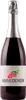
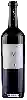
Winery TapasBar Tarima Monastrell
 wine
wine
This wine generally goes well with
The Bar Tarima Monastrell of the Winery Tapas is in the top 0 of wines of Emilia-Romagna.

Details and technical informations about Winery Tapas's Bar Tarima Monastrell.
Discover the grape variety: Semebat
Light, simple fruity reds with a pale, lightly coloured ruby, soft tannins and an airy palate with moderate acidity, undemonstrative red fruit aromas. Rustic, discreet profile. Almost extinct, preserved in INRAE varietal collections for its heritage value, testament to the pre-phylloxera ampelographic diversity of the South-West and studied among heritage varieties. Rare French black variety, once grown in the South-West.
Informations about the Winery Tapas
The Winery Tapas is one of of the world's greatest estates. It offers 7 wines for sale in the of Emilia-Romagna to come and discover on site or to buy online.

The wine region of Emilia-Romagna
Kingdom of Lambrusco: fresh, fruity sparkling reds (blackberry, cherry, violet), from gourmet dry to convivial off-dry, perfect with local charcuterie. World's best-selling sparkling wine on the Emilia side (Sorbara, Grasparossa, Salamino). East, Romagna: supple fruity Sangiovese, Albana (Italy's 1st white DOCG, 1987) ample and almondy. Also red Gutturnio and white Pignoletto.
The word of the wine: Serious
A Bordeaux term for small pebbles from the Pyrenees, eroded, rounded and transported by the Garonne to Aquitaine. They are mainly found on the left bank in the area.... known as the Graves, and further downstream in the Médoc. By extension, gravel is found in other regions, brought by other rivers or even glaciers.