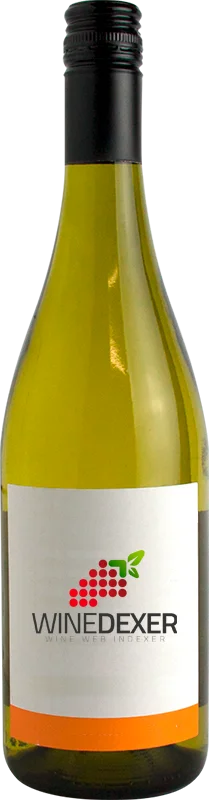
Winery TamaríPinot Grigio
 White wine



In the mouth this white wine is a .
This wine generally goes well with vegetarian, lean fish or shellfish.

Taste structure of the Pinot Grigio from the Winery Tamarí
Light | Bold | |
Dry | Sweet | |
Soft | Acidic |
In the mouth the Pinot Grigio of Winery Tamarí in the region of Mendoza is a .
Food and wine pairings with Pinot Grigio
Pairings that work perfectly with Pinot Grigio



Original food and wine pairings with Pinot Grigio


The Pinot Grigio of Winery Tamarí matches generally quite well with dishes of shellfish, vegetarian or lean fish such as recipes of arroz de marisco, broccoli and blue cheese quiche without pastry or sliced marinated swordfish cooked a la plancha.
Details and technical informations about Winery Tamarí's Pinot Grigio.
Discover the grape variety: Terret Gris
Lively, aromatic whites and pale rosés with a pale golden to salmon robe, an airy palate with preserved acidity, and signature aromas of citrus (lemon, grapefruit), white flowers, and fresh Mediterranean notes. Preserved for its heritage value, it features in some original small-production cuvées in the Languedoc. Grey-skinned mutation of Terret, a native French variety from the Languedoc.
Last vintages of this wine
The best vintages of Pinot Grigio from Winery Tamarí are 2013, 2017, 0, 2016
Informations about the Winery Tamarí
The Winery Tamarí is one of of the world's great estates. It offers 30 wines for sale in the of Mendoza to come and discover on site or to buy online.

The wine region of Mendoza
World capital of Malbec: powerful, deep reds with blackberry, plum, violet and sweet spice, round tannins and vivid fruit. Also firm Cabernet Sauvignon, supple, juicy Bonarda, aromatic floral white Torrontés. High-altitude vineyards (800-1,700 m) at the foot of the Andes, dry continental climate irrigated by glacial waters. ~80% of Argentine output across 150,000 ha.
The word of the wine: Old vines
There are no specific regulations governing the term "vieilles vignes". After 20 to 25 years, the yields stabilize and tend to decrease, the vines are deeply rooted, and the grapes that come from them give richer, more concentrated, more sappy wines, expressing with more nuance the characteristics of their terroir. It is possible to find plots of vines that claim to be a century old.