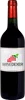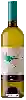
Winery SuveraiaNocchianello Spiga di Grano
 White wine



In the mouth this white wine is a with a nice freshness.
This wine generally goes well with vegetarian, appetizers and snacks or lean fish.

Taste structure of the Nocchianello Spiga di Grano from the Winery Suveraia
Light | Bold | |
Dry | Sweet | |
Soft | Acidic |
In the mouth the Nocchianello Spiga di Grano of Winery Suveraia in the region of Tuscany is a with a nice freshness.
Wine flavors and olphactive analysis

Food and wine pairings with Nocchianello Spiga di Grano
Pairings that work perfectly with Nocchianello Spiga di Grano



Original food and wine pairings with Nocchianello Spiga di Grano


The Nocchianello Spiga di Grano of Winery Suveraia matches generally quite well with dishes of pasta, vegetarian or appetizers and snacks such as recipes of pistou soup complete, zucchini and goat cheese quiche or fried onions.
Details and technical informations about Winery Suveraia's Nocchianello Spiga di Grano.
Discover the grape variety: Olaszrizling
Crisp and aromatic dry whites with a pale golden colour, supple palate and refreshing acidity, with signature aromas of citrus (lemon), white flowers (acacia), almond, white stone fruit (apple) and mineral notes. Also made as round, candied botrytised sweet wines. A pillar of Hungarian dry white wines around Lake Balaton and in Tokaj. The Hungarian synonym for Welschriesling, an indigenous central European white variety.
Last vintages of this wine
The best vintages of Nocchianello Spiga di Grano from Winery Suveraia are 2018, 0
Informations about the Winery Suveraia
The Winery Suveraia is one of of the world's greatest estates. It offers 7 wines for sale in the of Tuscany to come and discover on site or to buy online.

The wine region of Tuscany
Kingdom of Sangiovese: upright reds with cherry, plum, dried herbs and leather, lively acidity and firm tannins. Fleshy, food-friendly Chianti Classico DOCG, deep long-ageing Brunello di Montalcino (spice, tobacco, ripe black fruit), elegant Vino Nobile di Montepulciano. On the coast, Bolgheri crafts the opulent Cabernet- and Merlot-based 'Super Tuscans'. Some fresh white Vernaccia.
The word of the wine: Broker
In the past, he was a sort of fraud control agent who had to watch over the quality of merchant wines (he could carry a sword!). His function has evolved towards expertise (it was the brokers who established the famous 1855 classification in Bordeaux) and today he puts the producer in contact with the merchant.