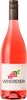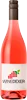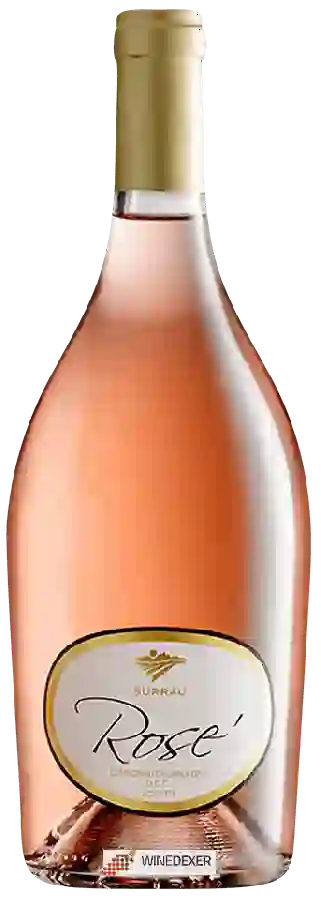
Winery SurrauCannonau di Sardegna Rosé
 Pink wine


This wine generally goes well with

Details and technical informations about Winery Surrau's Cannonau di Sardegna Rosé.
Discover the grape variety: Arinto dos Açores
Vivid, mineral whites with a strong volcanic imprint, pale golden robe, tense palate, showing signature aromas of citrus (lemon), white flowers, white-fleshed fruits and remarkable saline marine nuances. Star of the Pico DOP and Biscoitos DOP on the basaltic soils of the volcanic islands of Pico and Terceira, representing the viticultural identity of the Atlantic archipelago. Portuguese white autochtone variety of the Azores, unrelated to continental Arinto.
Last vintages of this wine

The best vintages of Cannonau di Sardegna Rosé from Winery Surrau are 2017, 0, 2018
Informations about the Winery Surrau
The Winery Surrau is one of of the world's great estates. It offers 21 wines for sale in the of Cannonau di Sardegna to come and discover on site or to buy online.

The wine region of Cannonau di Sardegna
Sardinian DOC covering the whole island (since 1972), kingdom of Cannonau (local Grenache, ~7,500 ha). Warm, sun-drenched reds with signature ripe cherry, candied plum, garrigue, wild myrtle, Mediterranean herbs and a sweet spice touch, round tannins and a generous, alcoholic palate — the soul of Sardinia. Riserva oak-aged versions, denser Superiore, sweet fortified Liquoroso. Spanish origin (Crown of Aragon).
The wine region of Sardinia
Italian Mediterranean wine island with 250+ varieties, strong native identity. Signature Cannonau (Grenache) in red: warm and deep with signature ripe cherry, garrigue, myrtle, spice and a balsamic touch, round tannins and a sun-drenched palate. Vermentino di Gallura DOCG star white (80% of Italian Vermentino): fresh and saline (citrus, pear, almond, sea iodine). Also dense Carignan, supple Monica, lively Nuragus, rare oxidative Vernaccia di Oristano.
The word of the wine: Aroma
A pleasant smell that can be primary (or varietal, i.e. characteristic of the grape), secondary (resulting from fermentation) or tertiary (resulting from the aging of the wine in the bottle).