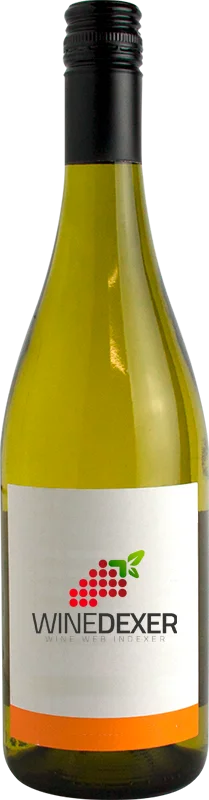
Domaine Sunnen-HoffmannWintrange Hommelsbierg Pinot Blanc
 White wine


This wine generally goes well with rich fish (salmon, tuna etc) and shellfish.

Food and wine pairings with Wintrange Hommelsbierg Pinot Blanc
Pairings that work perfectly with Wintrange Hommelsbierg Pinot Blanc


Original food and wine pairings with Wintrange Hommelsbierg Pinot Blanc
The Wintrange Hommelsbierg Pinot Blanc of Domaine Sunnen-Hoffmann matches generally quite well with dishes of rich fish (salmon, tuna etc) or shellfish such as recipes of wild rice salad with tuna or violet omelette.
Details and technical informations about Domaine Sunnen-Hoffmann's Wintrange Hommelsbierg Pinot Blanc.
Discover the grape variety: Pinot blanc
Round, supple whites with a soft palate, showing discreet aromas of apple, pear, fresh almond, white flowers and brioche notes. Moderate acidity, light finish. Star of Crémant d'Alsace (fine, taut sparkling) and base of Edelzwicker. Grown in Germany (Weissburgunder, Baden-Württemberg), northern Italy (Pinot Bianco, Alto Adige), Austria and Luxembourg. A white mutation of Pinot Noir.
Last vintages of this wine
The best vintages of Wintrange Hommelsbierg Pinot Blanc from Domaine Sunnen-Hoffmann are 0
Informations about the Domaine Sunnen-Hoffmann
The Domaine Sunnen-Hoffmann is one of of the world's great estates. It offers 30 wines for sale in the of Moselle to come and discover on site or to buy online.

The wine region of Moselle
World benchmark for cool-climate German Riesling, on vertiginous blue and grey slate slopes. Pure, precise whites with signature notes of lime, green apple, white peach, white flowers and marked chalky minerality ("gunflint"), low alcohol (~8-10%), taut acidity and crystalline tension. From dry Kabinett to sweet Auslese, up to luscious Beerenauslese, Trockenbeerenauslese and Eiswein. Also Müller-Thurgau and Elbling.
The word of the wine: Flavours
There are generally four so-called fundamental flavours: acidity, bitterness, sweetness and saltiness. The first three are considered to be the building blocks of the structure of wines. They are perceived by the taste buds that cover the surface of the tongue.