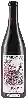
Winery StormhoekShiraz
 Red wine


In the mouth this red wine is a powerful with a nice balance between acidity and tannins.
This wine generally goes well with poultry, beef or game (deer, venison).

Taste structure of the Shiraz from the Winery Stormhoek
Light | Bold | |
Smooth | Tannic | |
Dry | Sweet | |
Soft | Acidic |
In the mouth the Shiraz of Winery Stormhoek in the region of Western Cape is a powerful with a nice balance between acidity and tannins.
Food and wine pairings with Shiraz
Pairings that work perfectly with Shiraz



Original food and wine pairings with Shiraz

The Shiraz of Winery Stormhoek matches generally quite well with dishes of beef, lamb or game (deer, venison) such as recipes of scottish haggis, mathieu's lamb tagine or rabbit in foil.
Details and technical informations about Winery Stormhoek's Shiraz.
Discover the grape variety: Chasan
Aromatic and structured whites with a golden robe, full mouthfeel and preserved acidity, with aromas of yellow fruits (peach, pear), citrus, white flowers (acacia), light honey and sunny Mediterranean notes. Productive and well-adapted to hot climates. Grown in Languedoc-Roussillon for IGP Pays d'Oc, as single-variety or blended cuvées. A French hybrid created in 1958 in Montpellier by Paul Truel (Palomino × Chardonnay).
Last vintages of this wine
The best vintages of Shiraz from Winery Stormhoek are 0, 2016
Informations about the Winery Stormhoek
The Winery Stormhoek is one of of the world's great estates. It offers 34 wines for sale in the of Western Cape to come and discover on site or to buy online.

The wine region of Western Cape
Cradle of South African wine. Signature Chenin Blanc (Steen, 20%) in ample, fresh whites with notes of quince, yellow apple, honey and acacia flower, from crisp dry to sweet. Sharp, iodised Sauvignon Blanc (Walker Bay, Constantia), balanced Chardonnay. Reds: emblematic Pinotage with roasted aromas (coffee, plum, smoke), firm Cabernet Sauvignon, spicy Syrah.
The word of the wine: Bracket
Black grape variety from Provence which contributes to the personality of the red wines of the AOC Bellet, near Nice. It gives a lightly colored but full-bodied wine that is good with age. Syn.: brachet.