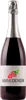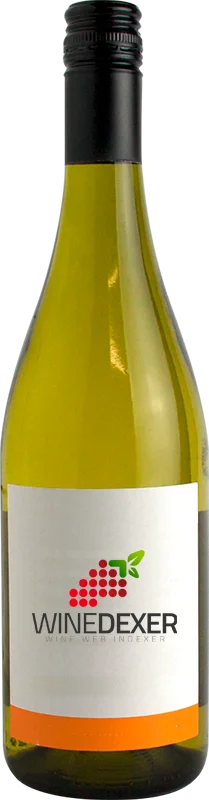
Winery StilettoPinot Grigio
 White wine



In the mouth this white wine is a .
This wine generally goes well with vegetarian, shellfish or mushrooms.
Taste structure of the Pinot Grigio from the Winery Stiletto
Light | Bold | |
Dry | Sweet | |
Soft | Acidic |
In the mouth the Pinot Grigio of Winery Stiletto in the region of Sicily is a .
Food and wine pairings with Pinot Grigio
Pairings that work perfectly with Pinot Grigio



Original food and wine pairings with Pinot Grigio

The Pinot Grigio of Winery Stiletto matches generally quite well with dishes of shellfish, vegetarian or mushrooms such as recipes of chinese fried shrimp ravioli, zucchini and goat cheese quiche or eggs in meurette.
Details and technical informations about Winery Stiletto's Pinot Grigio.
Discover the grape variety: Neheleschol
A very ancient table grape, it is mentioned in the Bible. Luigi and Alberto Pirovano of Vaprio d'Adda used it in many of their crosses. - Synonyms: neg(u)elescol, giant of Palestine, white grape of Jerusalem, eparce or eparse, yellow olivette with small berries, grape of Jericho (for all the synonyms of the grape varieties, click here!)
Last vintages of this wine
The best vintages of Pinot Grigio from Winery Stiletto are 0, 2013
Informations about the Winery Stiletto
The Winery Stiletto is one of of the world's greatest estates. It offers 3 wines for sale in the of Sicily to come and discover on site or to buy online.

The wine region of Sicily
Sicily is the Southernmost region of Italy, and the largest island in the Mediterranean Sea. For over 2500 years, Sicily (Sicilia in Italian) has been an important centre of Mediterranean viticulture, although the reputation and style of its wines have changed considerably over time. The island was once best known for its Sweet muscatels (see Pantelleria), and later for its fortified Marsala. Today, many of its best-known wines are Dry table wines produced under the regional designation IGT Terre Siciliane, or Sicilia DOC (see below).
The word of the wine: Reduction
A physiological and chemical phenomenon that occurs in wine in the absence of oxygen. The smell of reduction is characterized by animal and sometimes fetid notes that disappear in principle with aeration. It is recommended to decant reduced wines.