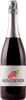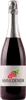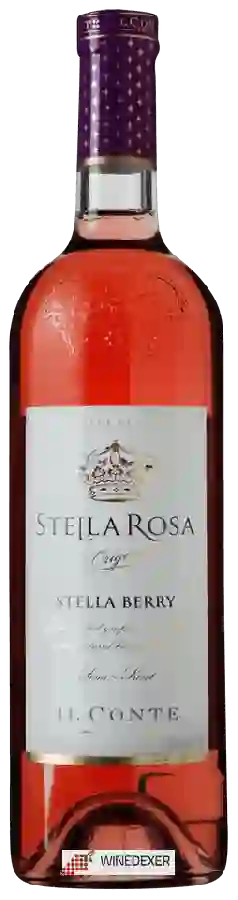
Winery Stella RosaStella Berry
 Sparkling wine


This wine generally goes well with sweet desserts

Wine flavors and olphactive analysis





On the nose the Stella Berry of Winery Stella Rosa in the region of Piedmont often reveals types of flavors of non oak, microbio or oak and sometimes also flavors of tree fruit, spices or citrus fruit.
Food and wine pairings with Stella Berry
Pairings that work perfectly with Stella Berry

Original food and wine pairings with Stella Berry
The Stella Berry of Winery Stella Rosa matches generally quite well with dishes of sweet desserts such as recipes of rice with milk.
Details and technical informations about Winery Stella Rosa's Stella Berry.
Discover the grape variety: Velteliner précoce
Structured whites or light rosés with a pale golden to rosé robe, an ample palate with preserved acidity, featuring signature aromas of white-fleshed fruits (apple, pear), sweet almond and white flowers. Early-ripening. Grown in confidential quantities in Austria, contributing to artisanal identity cuvées. Rare Austrian pink variety, an early mutation of Roter Veltliner, preserved for its heritage value and studied for its genetic interest.
Last vintages of this wine

The best vintages of Stella Berry from Winery Stella Rosa are 2008, 1917, 0
Informations about the Winery Stella Rosa
The Winery Stella Rosa is one of of the world's greatest estates. It offers 40 wines for sale in the of Piedmont to come and discover on site or to buy online.

The wine region of Piedmont
Kingdom of Nebbiolo: Barolo and Barbaresco DOCG, long-ageing reds with firm tannins and lively acidity, complex aromas of withered rose, sour cherry, tar, truffle and undergrowth. More accessible, tangy Barbera on red fruit, supple, crisp Dolcetto. Sweet, floral sparkling Moscato d'Asti, mineral, lemony Gavi (Cortese) white, round, almondy Arneis from Roero. 50,000 ha across the Langhe, Roero and Monferrato, UNESCO.
The word of the wine: Courgée
Name of the fruiting branch left after pruning and which is then arched along the trellis in the Jura (in the Mâconnais, it is called the tail).