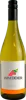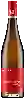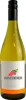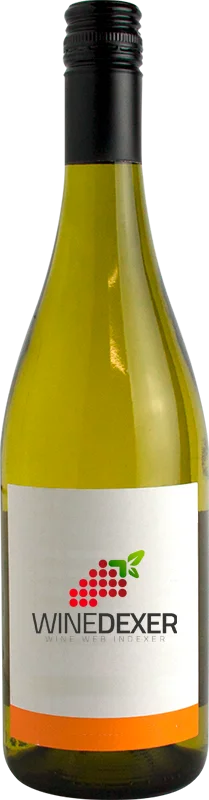
Staatsweingut Karlsruhe-DurlachGrauburgunder ** Trocken
 White wine


In the mouth this white wine is a .
This wine generally goes well with pork, cured meat or mushrooms.
Taste structure of the Grauburgunder ** Trocken from the Staatsweingut Karlsruhe-Durlach
Light | Bold | |
Dry | Sweet | |
Soft | Acidic |
In the mouth the Grauburgunder ** Trocken of Staatsweingut Karlsruhe-Durlach in the region of Baden is a .
Food and wine pairings with Grauburgunder ** Trocken
Pairings that work perfectly with Grauburgunder ** Trocken


Original food and wine pairings with Grauburgunder ** Trocken

The Grauburgunder ** Trocken of Staatsweingut Karlsruhe-Durlach matches generally quite well with dishes of pork, spicy food or mushrooms such as recipes of tripe in the style of caen, chicken pie or risotto with ceps (italy).
Details and technical informations about Staatsweingut Karlsruhe-Durlach's Grauburgunder ** Trocken.
Discover the grape variety: Joubertin
Joubertin noir is a grape variety that originated in France (Dauphiné). It produces a variety of grape specially used for wine making. It is rare to find this grape to eat on our tables. The Joubertin noir can be found cultivated in these vineyards: South-West, Cognac, Bordeaux, Savoie & Bugey, Provence & Corsica, Rhone Valley.
Last vintages of this wine
The best vintages of Grauburgunder ** Trocken from Staatsweingut Karlsruhe-Durlach are 0
Informations about the Staatsweingut Karlsruhe-Durlach
The Staatsweingut Karlsruhe-Durlach is one of of the world's greatest estates. It offers 28 wines for sale in the of Baden to come and discover on site or to buy online.

The wine region of Baden
Baden is the southernmost of Germany's 13 official wine regions. It is also the warmest. Its relatively sunny, DryClimate permits the production of good-quality Spätburgunder (Pinot Noir) and ripe, relatively Full-bodied">Full-bodied examples of Grauburgunder (Pinot Gris) and Weissburgunder (Pinot Blanc). These are often made in oaked styles.
The word of the wine: Hygrometry
Humidity level of the cellar necessary for a good ageing of the wines. The recommended hygrometry is around 70% in order to guarantee a good elasticity of the corks while preserving the labels.