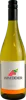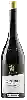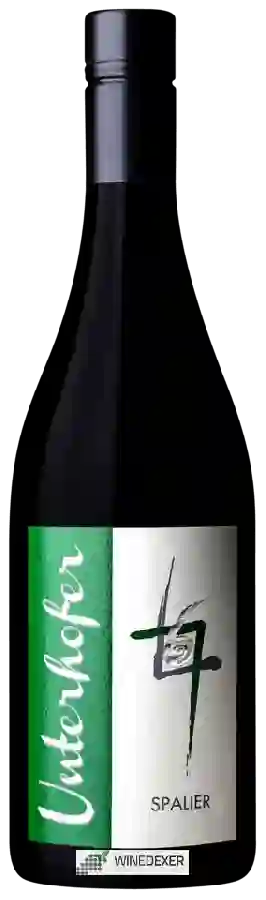
Winery St MagdalenerSpalier
 White wine


In the mouth this white wine is a powerful with a nice freshness.
This wine generally goes well with lean fish, shellfish or mature and hard cheese.
Taste structure of the Spalier from the Winery St Magdalener
Light | Bold | |
Dry | Sweet | |
Soft | Acidic |
In the mouth the Spalier of Winery St Magdalener in the region of Trentino-Alto-Adige is a powerful with a nice freshness.
Food and wine pairings with Spalier
Pairings that work perfectly with Spalier



Original food and wine pairings with Spalier


The Spalier of Winery St Magdalener matches generally quite well with dishes of pasta, shellfish or mature and hard cheese such as recipes of eggplant lasagna, mussels with marinara or stuffed eggplant bonifacian style.
Details and technical informations about Winery St Magdalener's Spalier.
Discover the grape variety: Saint-Pierre doré
Saint-Pierre doré blanc is a grape variety that originated in France (Auvergne). It produces a variety of grape specially used for wine making. It is rare to find this grape to eat on our tables. This variety of grape is characterized by large bunches of grapes of medium size. The white Saint-Pierre doré can be found in several vineyards: South-West, Cognac, Bordeaux, Burgundy, Beaujolais, Provence & Corsica, Rhone Valley, Loire Valley, Savoie & Bugey.
Last vintages of this wine
The best vintages of Spalier from Winery St Magdalener are 2016, 0
Informations about the Winery St Magdalener
The Winery St Magdalener is one of of the world's greatest estates. It offers 12 wines for sale in the of Trentino-Alto-Adige to come and discover on site or to buy online.

The wine region of Trentino-Alto-Adige
Trentino-Alto Adige is Italy's northernmost wine region, located right on the border with Austria. Production was once dominated by the local red varieties Lagrein and Schiava. Now white wines are becoming more important in terms of Volume. Increasingly, they are made from internationally renowned Grape varieties such as Pinot Grigio and Chardonnay.
The word of the wine: Deposit
Solid particles that can naturally coat the bottom of a bottle of wine. It is rather a guarantee that the wine has not been mistreated: in fact, to avoid the natural deposit, rather violent processes of filtration or cold passage (- 7 or - 8 °C) are used in order to precipitate the tartar (the small white crystals that some people confuse with crystallized sugar: just taste to dissuade you from it)