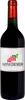
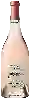
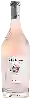
Domaine Saint Jean de la CavalerieGrande Reserve Cinsault Rosé
 Pink wine



In the mouth this pink wine is a with a nice freshness.
This wine generally goes well with vegetarian, appetizers and snacks or lean fish.

Taste structure of the Grande Reserve Cinsault Rosé from the Domaine Saint Jean de la Cavalerie
Light | Bold | |
Dry | Sweet | |
Soft | Acidic |
In the mouth the Grande Reserve Cinsault Rosé of Domaine Saint Jean de la Cavalerie in the region of Languedoc-Roussillon is a with a nice freshness.
Food and wine pairings with Grande Reserve Cinsault Rosé
Pairings that work perfectly with Grande Reserve Cinsault Rosé



Original food and wine pairings with Grande Reserve Cinsault Rosé


The Grande Reserve Cinsault Rosé of Domaine Saint Jean de la Cavalerie matches generally quite well with dishes of pasta, vegetarian or appetizers and snacks such as recipes of meat lasagna, goat cheese and bacon quiche or twists with anchovies.
Details and technical informations about Domaine Saint Jean de la Cavalerie's Grande Reserve Cinsault Rosé.
Discover the grape variety: Blütenmuskateller
Aromatic, sweet and sparkling whites with a pale golden robe, perfumed palate and fresh acidity; muscat-like aromas (fresh grape, flowers) more subtle than classic muscats. Resistant to downy and powdery mildew. Grown in central and eastern Europe and Australia for sweet aromatic wines. White hybrid bred in Russia in 1947 (severnyj × muscat blanc à petits grains).
Last vintages of this wine
The best vintages of Grande Reserve Cinsault Rosé from Domaine Saint Jean de la Cavalerie are 2017
Informations about the Domaine Saint Jean de la Cavalerie
The Domaine Saint Jean de la Cavalerie is one of of the world's greatest estates. It offers 9 wines for sale in the of Languedoc to come and discover on site or to buy online.

The wine region of Languedoc
Sunny, generous southern reds: spicy, peppery Syrah, round, candied Grenache (ripe fruit, garrigue), deep Mourvèdre, structured Carignan, supple Cinsault. From robust Corbières and Minervois to fresher Terrasses du Larzac, via Faugères on schist or taut Pic Saint-Loup. Lively, iodised Picpoul de Pinet whites (oysters), ample Roussanne and Marsanne. 14 sub-appellations, ~10,000 ha in regional AOC.
The wine region of Languedoc-Roussillon
Largest single French vineyard, dominated by sunny, generous reds. Spicy Syrah, candied Grenache (ripe fruit, garrigue), structured Carignan, deep Mourvèdre, supple Cinsault. Stars: structured Corbières, Minervois, Faugères, Saint-Chinian; round Côtes-du-Roussillon. Legendary vins doux naturels: Banyuls and Maury (fortified Grenache) with notes of cocoa, fig, prune.
The word of the wine: Cuvée prestige (champagne)
Vintage or not, it is composed of a selection of terroirs and generally comes from the first press after eliminating the very first juices that come out of the press. The best known? Dom Pérignon, Cristal de Roederer, Grand Siècle de Laurent-Perrie, Louise at Pommery. In fact, all the houses and most of the independent winegrowers have their own prestige cuvee.