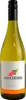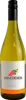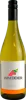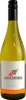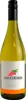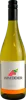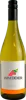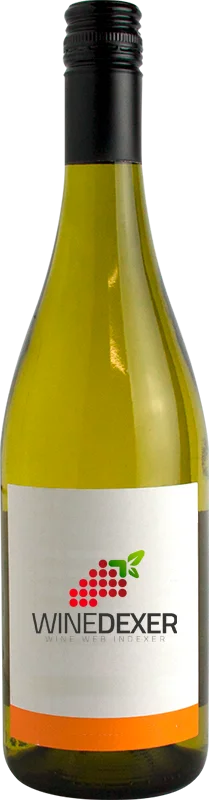
Winery South RoadChardonnay - Aligote
 White wine



This wine is a blend of 2 varietals which are the Aligoté and the Chardonnay.
This wine generally goes well with pork, vegetarian or poultry.

Food and wine pairings with Chardonnay - Aligote
Pairings that work perfectly with Chardonnay - Aligote



Original food and wine pairings with Chardonnay - Aligote

The Chardonnay - Aligote of Winery South Road matches generally quite well with dishes of pork, rich fish (salmon, tuna etc) or vegetarian such as recipes of croque madame, oven-baked salmon mozzarella sandwiches or quiche without pastry.
Details and technical informations about Winery South Road's Chardonnay - Aligote.
Discover the grape variety: Aligoté
Lively, taut whites with chiselled acidity and an airy palate, with aromas of lemon, green apple, white flowers, fresh almond and chalky notes. Typically saline finish. Star of Bouzeron AOC (the only single-variety aligoté appellation) and Bourgogne Aligoté AOC. Also used in Crémant de Bourgogne and the iconic kir cocktail (with blackcurrant liqueur). Historic Burgundian variety, a cross of pinot noir × gouais blanc, half-sibling of chardonnay.
Last vintages of this wine
The best vintages of Chardonnay - Aligote from Winery South Road are 0
Informations about the Winery South Road
The Winery South Road is one of of the world's greatest estates. It offers 5 wines for sale in the of Кубань to come and discover on site or to buy online.

The wine region of Кубань
Russia's leading wine region (Krasnodar Krai) between the Black Sea and Sea of Azov, ~50% of Russian wine. Mediterranean to sub-tropical climate. Firm signature Cabernet Sauvignon with signature notes of cassis, blackberry, cedar and a spicy touch, structured tannins. Round Merlot (plum, cherry), dense Saperavi (black cherry, ink), native Krasnostop (blackberry, pepper).
The word of the wine: Bouchy
See cabernet franc.