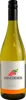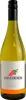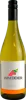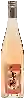
Winery SolveigsPhyllit Pinot Noir Rosé
 Pink wine


This wine generally goes well with pork, poultry or veal.

Food and wine pairings with Phyllit Pinot Noir Rosé
Pairings that work perfectly with Phyllit Pinot Noir Rosé



Original food and wine pairings with Phyllit Pinot Noir Rosé


The Phyllit Pinot Noir Rosé of Winery Solveigs matches generally quite well with dishes of veal, pork or game (deer, venison) such as recipes of duck with orange, creole chipolatas or aiguillettes of duck with auvergne blue cheese.
Details and technical informations about Winery Solveigs's Phyllit Pinot Noir Rosé.
Discover the grape variety: Pinot noir
Elegant reds, light in colour with silky tannins, showing strawberry, cherry and raspberry aromas, evolving to forest floor, mushroom and spice with age. Fresh acidity, delicate finish. Star of the Côte d'Or (Romanée-Conti, Chambertin, Volnay), pillar of Champagne (Blanc de Noirs) and signature of Oregon, Central Otago and Sonoma Coast. An early-ripening Burgundian variety, one of the world's greatest.
Last vintages of this wine
The best vintages of Phyllit Pinot Noir Rosé from Winery Solveigs are 0
Informations about the Winery Solveigs
The Winery Solveigs is one of of the world's greatest estates. It offers 11 wines for sale in the of Rheingau to come and discover on site or to buy online.

The wine region of Rheingau
Historic cradle of great German Riesling: age-worthy whites of rare precision, from taut dry (Trocken) to botrytised sweet (Auslese, Beerenauslese, TBA) with notes of peach, citrus, acacia honey, noble petrol and slatey minerality. Riesling king on ~80% of the vineyard. Also Spätburgunder (Pinot Noir, 8%), notably the fine, silky Assmannshausen. 3,100 ha on south-facing slopes overlooking the Rhine (Hesse).
The word of the wine: Color
The colour of wines is characterized by its intensity and its nuances of hue. The intensity is specific to each grape variety, while the nuances of colour are linked to the evolution of the wine over time.