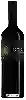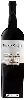
Winery SolarteNegroamaro
 Red wine


In the mouth this red wine is a powerful with a lot of tannins present in the mouth.
This wine generally goes well with beef, lamb or pasta.

Taste structure of the Negroamaro from the Winery Solarte
Light | Bold | |
Smooth | Tannic | |
Dry | Sweet | |
Soft | Acidic |
In the mouth the Negroamaro of Winery Solarte in the region of Puglia is a powerful with a lot of tannins present in the mouth.
Wine flavors and olphactive analysis

Food and wine pairings with Negroamaro
Pairings that work perfectly with Negroamaro



Original food and wine pairings with Negroamaro
The Negroamaro of Winery Solarte matches generally quite well with dishes of beef, pasta or lamb such as recipes of stuffed peppers, capellini with vegetables or thomas's shoulder of lamb.
Details and technical informations about Winery Solarte's Negroamaro.
Discover the grape variety: Tinta Cão
Structured and elegant reds with a deep ruby colour, firm tannins and dense palate, with signature aromas of red fruit (cherry, raspberry), plum, spices, flowers (violet) and balsamic notes. Very late-ripening and low-yielding, with magnificent ageing potential. An essential component of great vintage Ports and age-worthy Douro DOC, one of the five classic Port varieties. An indigenous Portuguese black variety from the Douro with a strong aromatic identity.
Last vintages of this wine
The best vintages of Negroamaro from Winery Solarte are 2015, 0, 2012
Informations about the Winery Solarte
The Winery Solarte is one of of the world's greatest estates. It offers 4 wines for sale in the of Puglia to come and discover on site or to buy online.

The wine region of Puglia
Heel of the boot, 80% red vineyard, sunny and generous. Fleshy, jammy Primitivo (= Zinfandel) with notes of black cherry, plum, chocolate and spices, powerful alcohol and melted tannins, a star in Primitivo di Manduria. Deep, structured Negroamaro (black-bitter) with a bitter finish in Salice Salentino. Structured Nero di Troia, spicy Susumaniello.
The word of the wine: White winemaking
White wines are obtained by fermentation of the juice after pressing. A pre-fermentation maceration is sometimes practiced to extract the aromatic substances from the skins. White wines are normally made from white grapes, but can also be made from red grapes (blanc de noirs). The grapes are then pressed as soon as they arrive at the vat house without maceration in order to prevent the colouring matter contained in the skins from "staining" the wine.