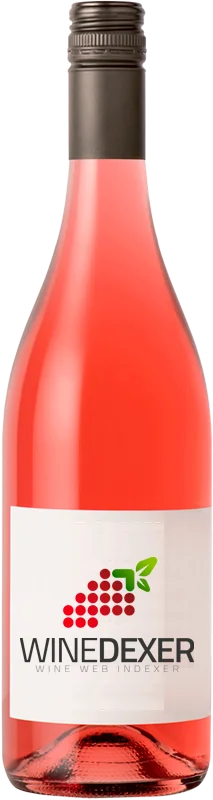
Winery ŠimonovičModra Svätovařinecké
 Pink wine
This wine generally goes well with
Details and technical informations about Winery Šimonovič's Modra Svätovařinecké.
Discover the grape variety: Courbu
Courbu is indigenous to the Pyrenean vineyards. This white grape variety is part of the Jurançon family. Three clones are recognized in this variety, which buds in the medium term, develops regularly and has satisfactory productivity. The way in which the shoots form is characteristic. Initially upright, they bend and curve, giving a parasol-like finish to the vine. A vigorous rootstock is recommended to see the Courbu develop and mature at a late age. The small clusters display quite distinctive features. Not necessarily winged, they are pignate and stocky, with a rounded or rather flattened shape. A light pink veil covers the most mature berries, but the original colour varies from yellow-green to golden white. Vinification enhances the juice of this variety. The bouquet becomes more refined with age under a pale yellow colour. Dry or sweet, this wine is always remarkably fine.
Informations about the Winery Šimonovič
The Winery Šimonovič is one of of the world's great estates. It offers 18 wines for sale in the of Malokarpatská to come and discover on site or to buy online.

The wine region of Malokarpatská
The wine region of Malokarpatská of Slovak Republic. Wineries and vineyards like the Domaine Rariga or the Domaine Vladimir Valenta produce mainly wines white, red and pink. The most planted grape varieties in the region of Malokarpatská are Cabernet-Sauvignon, Riesling and Gewurztraminer, they are then used in wines in blends or as a single variety. On the nose of Malokarpatská often reveals types of flavors of tree fruit, apples or citrus fruit and sometimes also flavors of non oak, earth or microbio.
The word of the wine: Sulphur
An antiseptic and antioxidant substance known since antiquity, probably already used by the Romans. But it was only in modern times that its use was rediscovered. It will allow a better conservation of the wine and thus favour its export. Sulphur also gave the 18th century winegrower the possibility of extending the maceration period without fearing that the wine would turn sour and thus go from dark rosé wines to the red wines of today. Excessive sulphur, on the other hand, kills happiness, paralysing the aromas and causing headaches.